
Video Interview Tips
By Priya Sharma · Updated 2 October 2026
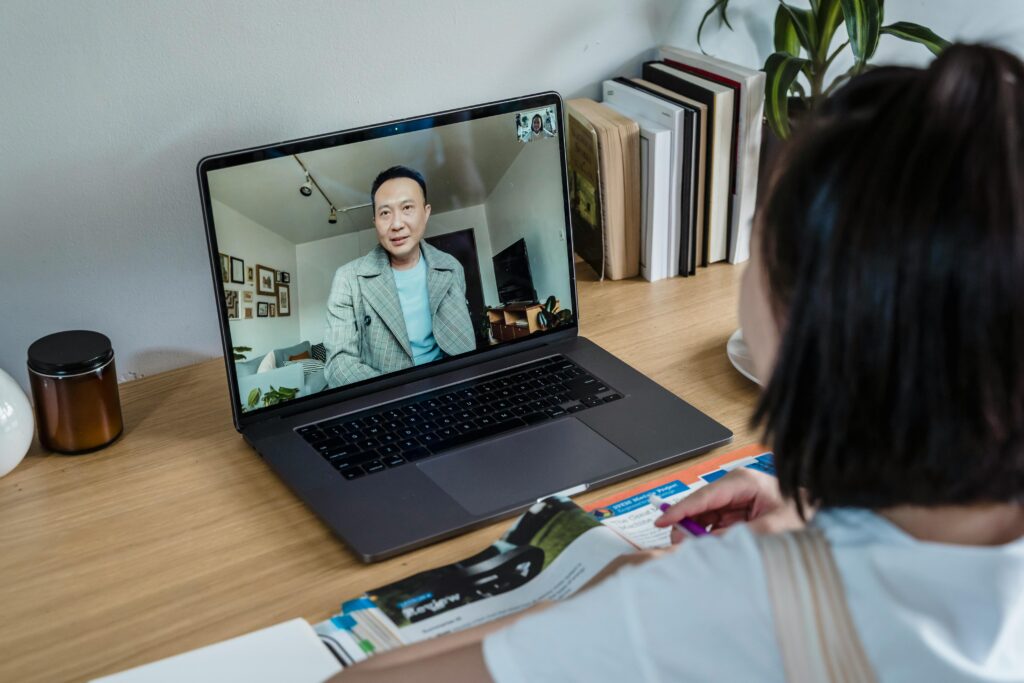
Master the screen, conquer the nerves, and secure that graduate role.
Graduate recruitment has shifted. Gone are the days when every first-round interview required a train ticket and a rigid suit. Today, whether it is a live Zoom call or a pre-recorded submission, video interviews are the gatekeepers to your dream career.
While this saves you travel time, it brings a specific set of challenges. How do you build rapport with a laptop lens? How do you ensure your personality comes across without being in the room?
Here is what to get right on video interviews, from the set-up to the sign-off.
Priya's pack for the grad job hunt
Written in May, the Graduate Job pack shows which firms cut graduate places in 2025 (all four of the Big Four did). There's also a three-month application plan.
Leave the box empty and you'll just get the PDF. Unsubscribe any time.
1. Understand the format: live vs. pre-recorded
Before you start prepping, you must know exactly what you are walking into. Employers generally use one of two formats, and they require slightly different approaches.
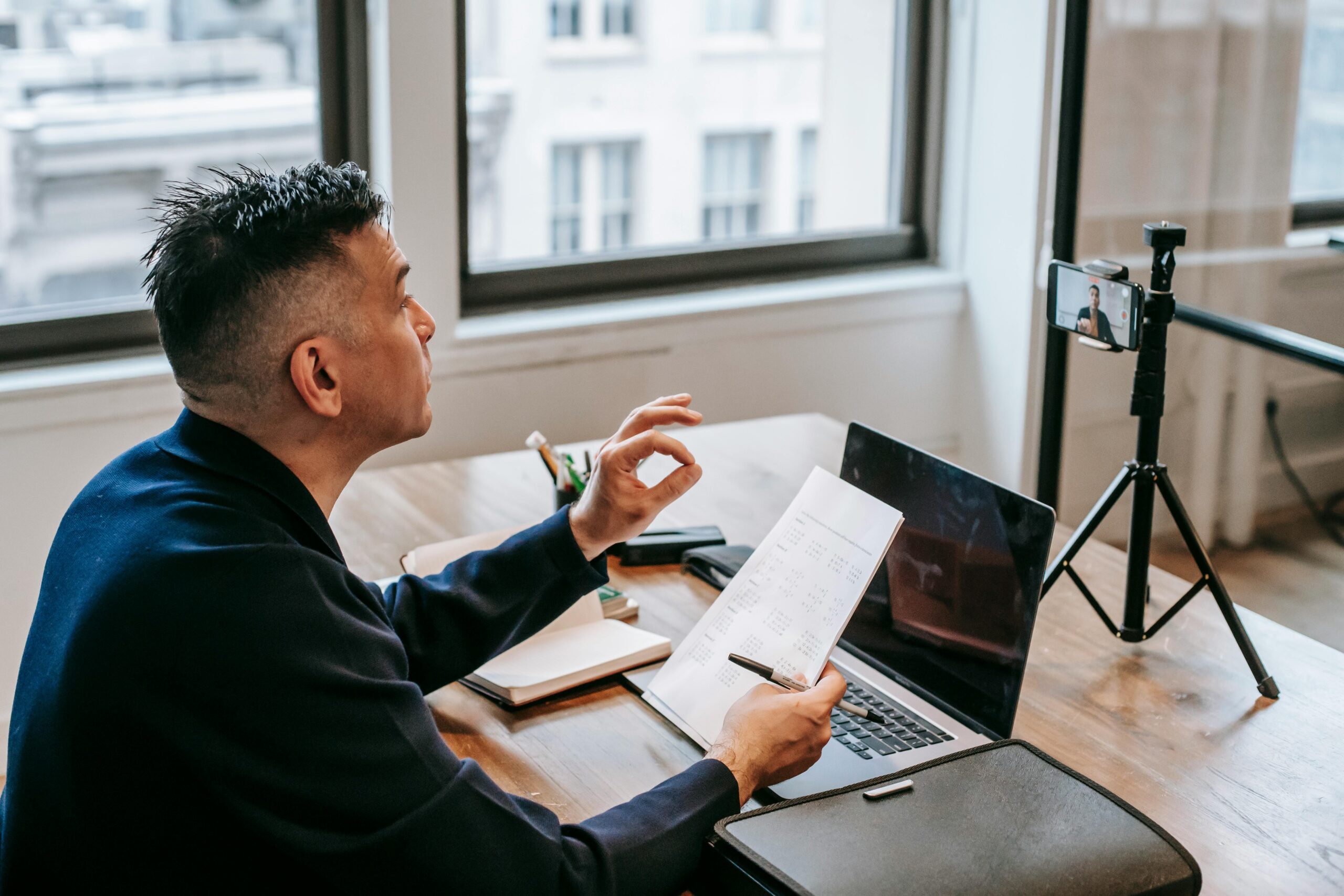
Live video interviews
Platforms: Zoom, Microsoft Teams, Skype.
This is a standard interview, just virtual. You will be speaking to a real person in real-time. The focus here is on conversation, active listening, and building a rapport through the screen.
Asynchronous (pre-recorded)
Platforms: HireVue, Sonru, LaunchPad.
You will see text or video questions on screen and have a set time (usually 30-60 seconds) to prepare, followed by a set time to record your answer. No human is on the other end watching live.
2. Setting the stage: tech and environment
Technological failures or a distracting background can derail an otherwise perfect interview. Treat your environment like a film set. You are the director, and you want the viewer to focus entirely on the star of the show (you).
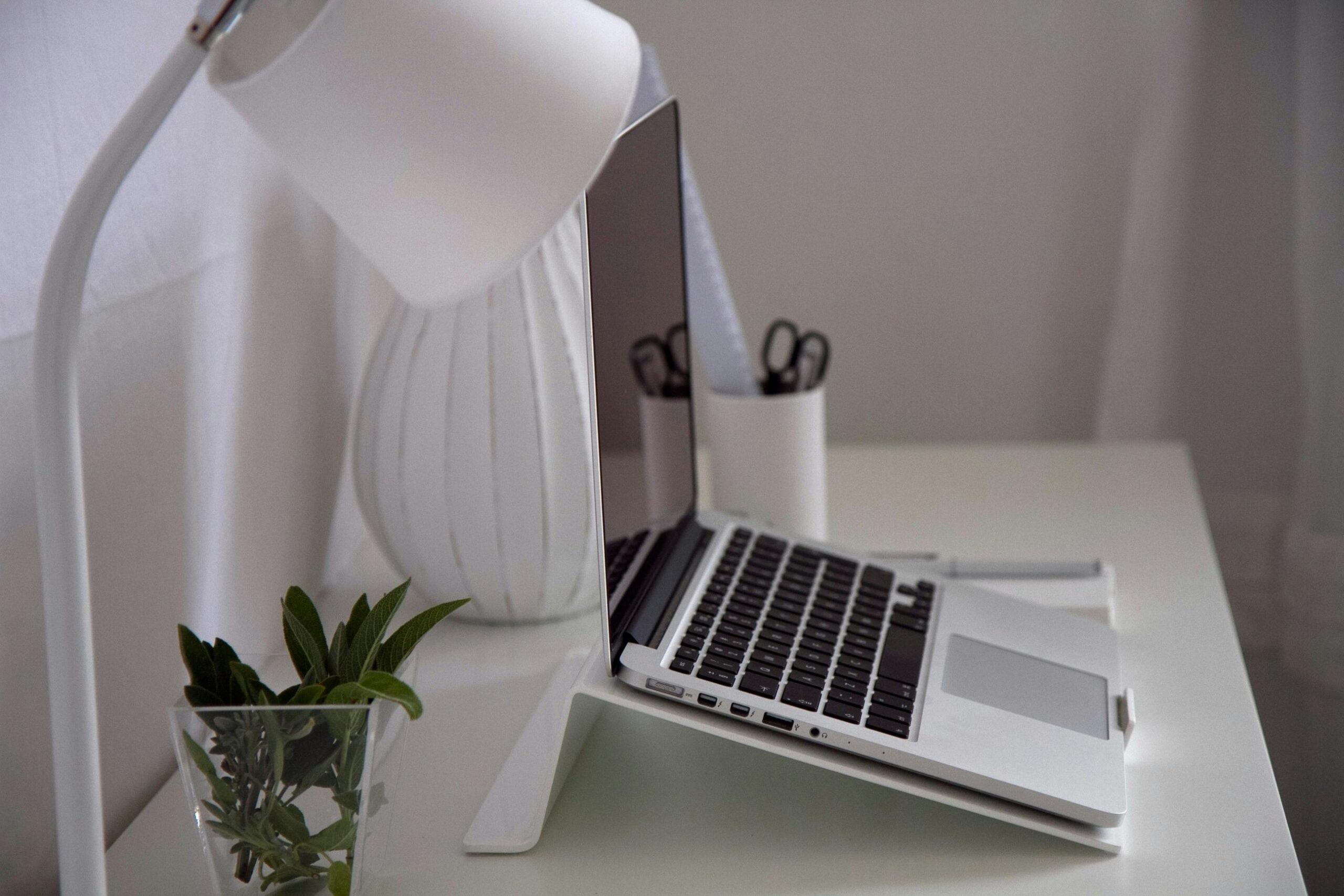
Lighting is key
Avoid having a window behind you, as this will turn you into a silhouette. Natural light facing you is best. If your interview is in the evening or a dark room, do not rely on the overhead bulb alone.
You do not need to buy anything. Two free fixes: sit facing a window during the day so natural light hits your face, or angle a desk lamp behind your laptop pointed at the wall in front of you. Test your setup in the camera app first. If the room is dim and no lamp is available, open a blank document on full brightness and sit close to the screen. That is enough light for a laptop webcam.
Audio quality
Your laptop microphone might pick up echo or background noise. If possible, use headphones with a built-in microphone. It prevents feedback loops and ensures the recruiter hears your answers clearly.
The background
You do not need a sterile white wall, but you do need tidiness. A bookshelf or a tidy bedroom corner is fine. Ensure there is no laundry visible and that your flatmates know you are strictly not to be disturbed.
3. Body language for the camera
In a face-to-face meeting, you can rely on handshakes and general presence. On video, you are restricted to a small box. This is how to maximise your impact.

- Eye Contact: This is the most common mistake. When you are speaking, look at the camera lens, not the person’s face on the screen. This simulates eye contact for the viewer.
- Posture: Sit up straight. Slouching is exaggerated on camera. Leaning slightly forward can indicate interest and engagement.
- Nodding and Smiling: Because you cannot use “Mmhmm” or “I see” as easily without cutting off the audio, use non-verbal cues like nodding to show you are listening.
The “Cheat Sheet” advantage
One major benefit of video interviews is that you can have notes. Stick Post-it notes around your screen with keywords or prompts for your STAR (Situation, Task, Action, Result) examples. Just ensure you do not read them verbatim; use them as safety nets only.
4. Mastering the “HireVue” (pre-recorded) interview
Many graduates find pre-recorded interviews the most daunting. Talking to yourself feels unnatural. However, many large graduate schemes in the UK use AI-driven platforms like HireVue to sift through thousands of applicants.

Watch the clock
You usually get a timer on the screen. If you have 2 minutes, aim to finish at the 1:45 mark. Do not get cut off mid-sentence. If you finish too early, do not ramble just to fill the silence; simply hit the “stop recording” button.
The re-record button
Some platforms allow one re-record per question. Only use this if you completely froze or made a factual error. If you just stumbled over a word, carry on. It shows resilience.
5. Dress the part
The rule of thumb for British graduate jobs is simple: dress as you would for an in-person interview. Even if the company has a “casual” culture, dressing smartly (shirt, blouse, or suit jacket) shows respect for the opportunity.
And yes, wear the trousers. You never know if you might need to stand up to adjust a blind or get a glass of water.
6. Troubleshooting technical glitches
Sometimes, despite your best efforts, the WiFi drops. If this happens:
- Stay Calm: Panic is worse than the glitch.
- Have a Backup: Have your phone hotspot ready or the dial-in number for the Zoom call written down.
- Communicate: If the video freezes, apologise politely and ask them to repeat the question. “I am sorry, the connection dipped for a second, could you repeat that?” is perfectly acceptable.
Useful resources
For further reading on competency questions you might face, the National Careers Service provides an excellent breakdown of common inquiries.
Make sure your connection can cope. You can run a quick check at Speedtest.net before your call starts.
Final thought
Video interviews are not just hurdles; they are opportunities to show you are adaptable and tech-savvy. Prepare your space, practice your answers, and remember to smile.
Frequently asked questions
How should I set up my space for a video interview?
Eye-level camera, neutral background, lamp in front of you not behind, ethernet or strong wifi, headphones with mic, and a closed door with a sign asking not to be disturbed. Test on the actual platform 24 hours before to avoid permission and audio panics.
How do I handle one-way video interviews?
Treat each question as a 60 to 90 second STAR answer (Situation, Task, Action, Result). Smile slightly more than feels natural because the camera flattens energy. Re-record only if you fluff a critical detail. Most platforms allow 1 to 3 attempts per question.
How long should a video interview answer be?
Aim for 60 to 120 seconds for behavioural questions, 30 to 60 for short factual ones. Going under feels under-prepared, over feels rambling. If you finish in 45 seconds, add one specific example or quantified result rather than padding.
Can I have notes during a video interview?
For pre-recorded one-way interviews, brief bullet notes are fine but reading verbatim is obvious. For live interviews, a single sticky note next to the camera with 5 to 8 words for each prepared story is plenty. Never read full sentences from a screen.
Priya's email, for your first year out
Some weeks it's a rolling-deadline scheme that shuts when it's full, well before the date on its website. Other weeks it's whether a relocation bonus is worth the clause that makes you pay it back.
You'll also get the Graduate Job pack as a PDF. Unsubscribe any time.

Ask Priya a question
If this guide didn't cover the thing you came for, ask. If enough people ask the same thing, it becomes a guide.
Read us often? You can add UniSorted as a preferred source on Google.