
Railcard Guide
By Ella Woodward · Updated 31 July 2026
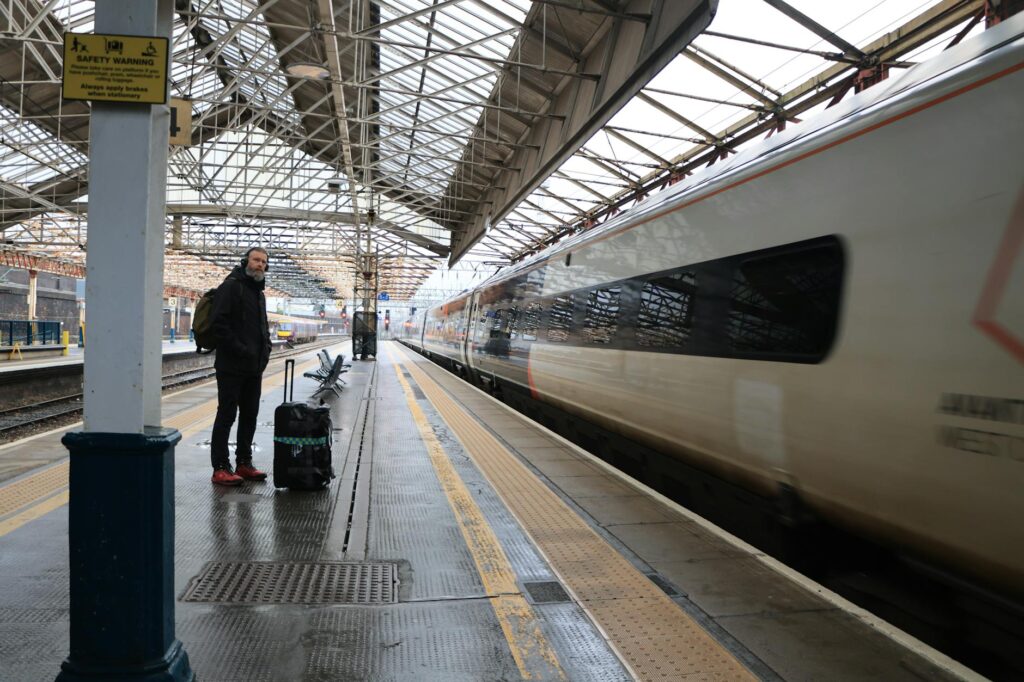
If you are 16 to 25, get the 16-25 Railcard. If you are 26 to 30, get the 26-30 Railcard. Both cost £35 a year, both take 1/3 off most fares, and your birthday makes the choice for you. The one real exception: if you are over 25 and still studying full time, the 16-25 card stays open to you, with strings the sales page does not show you.
A £60 return to London drops to £39.60. It takes about £105 of full-price fares to earn your £35 back, which is two trips home for most people, so this is not a close call.
16-25 vs 26-30 Railcard: which should you get?

Most readers will fall into one of these two categories. Both cards cost £35 for one year and both give you 1/3 off most fares.
16-25 Railcard
Best for: Undergraduates and Master’s students.
Often called the Student Railcard, this is the classic money-saver. Over 25 and still studying full time? You can still hold this card, but the rules change: see the mature-student section below before you buy.
Pro tip: Buy a 3-year card for £80 right before your 24th birthday. It runs until the day before your 27th, extending your eligibility window.
26-30 Railcard
Best for: Graduates and young professionals.
This bridges the gap for those who have aged out of the 16-25 bracket. It is digital-only, so you must show it via the official Railcard app to inspectors.
Key difference: Unlike the 16-25 card, there is no 3-year version. It is sold in 1-year terms only.
Can mature students get a 16-25 Railcard?
Yes, if you are over 25 and studying full time. Railcard’s own definition of full time is what catches people out: 15 hours a week or more, for at least 20 weeks a year, at a college or university in the UK. Miss either number and you are not eligible, whatever your student card says.
Three things you will not find on the buy page:
- The 3-year card is not open to you. Mature students have to prove they are still in full-time study every time they buy or renew, so it is 1-year cards only. The buy-at-23 trick above is for under-25s.
- A tutor has to sign for you. The Mature Student Application Form needs a signature from your tutor, head of department, or someone in university or college administration. Bring an NUS card or an institution photo ID showing the current academic year as well.
- Distance learning does not count. Home-study and distance-learning courses are excluded, which rules out most Open University students. The exception is a full-time course taught at the OU campus in Milton Keynes, where you turn up in person.
If you are 26 or over and not studying full time, this route is a dead end and the 26-30 Railcard is your card instead.
Other cards worth knowing
If you do not fit into the age brackets above, or you travel exclusively with a partner, there are other ways to secure 1/3 off.
- Two Together Railcard (£35/year): Two named adults who always travel together get 1/3 off after 09:30 on weekdays and any time at weekends. Average annual saving quoted by the scheme is up to £104.
- Network Railcard (£35/year): Covers the south-east of England, off-peak only. 1/3 off for the cardholder and up to three other adults.
- Family & Friends Railcard (£35/year): Useful if you ever travel with younger siblings: 1/3 off adults and 60% off children aged 5-15.
- Disabled Persons Railcard: 1/3 off for you and a companion. Eligibility runs through the official scheme rather than National Rail.
Using a Railcard on the Tube and Underground: link it to your Oyster
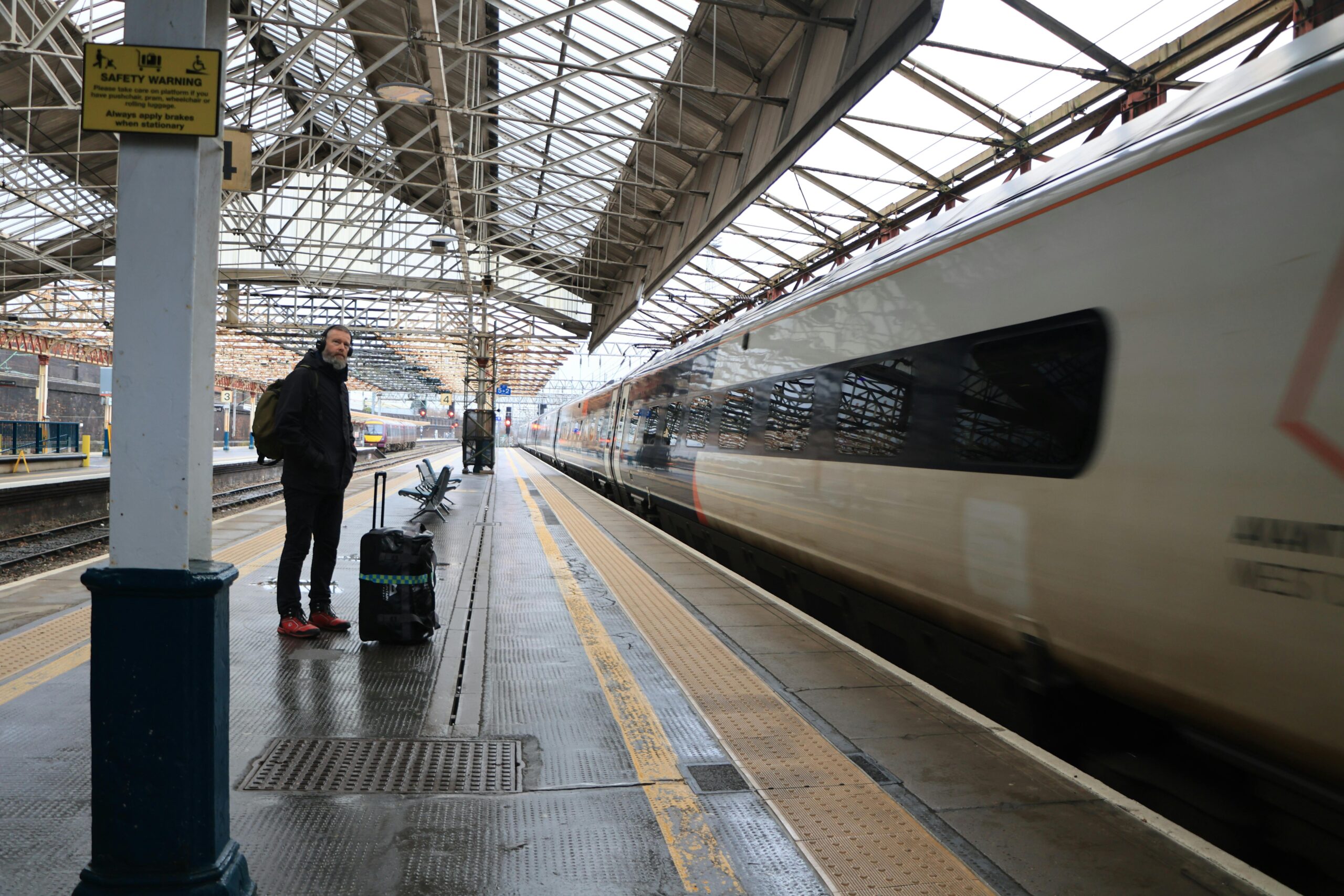
This is the most overlooked benefit of owning a 16-25 or 26-30 Railcard. If you live in London or commute there regularly, you can link your Railcard to your Oyster or contactless card.
Ask a member of staff at any London Underground station to add your Railcard to your Oyster (or do it via the TfL website for contactless). You will then get 1/3 off Off-Peak Pay As You Go single fares and daily caps on the Tube, DLR, London Overground, and Elizabeth line.
Stack that on an 18+ Student Oyster photocard, which takes 30% off adult-rate Travelcards and Bus & Tram Pass season tickets, and you have the cheapest legitimate way for a full-time London student to commute.
Quick comparison
| Feature | 16-25 Railcard | 26-30 Railcard |
|---|---|---|
| Cost (1 year) | £35 | £35 |
| 3-year option | Yes (£80) | No |
| Discount | 1/3 off | 1/3 off |
| Format | Digital or plastic | Digital only |
| Minimum fare | £12 morning peak (Mon-Fri 04:30 to 09:59, excl. July/August) | £12 morning peak (Mon-Fri) |
| Mature student route | Yes, 1-year cards only, tutor-signed form | N/A |
Three golden rules for cheaper travel
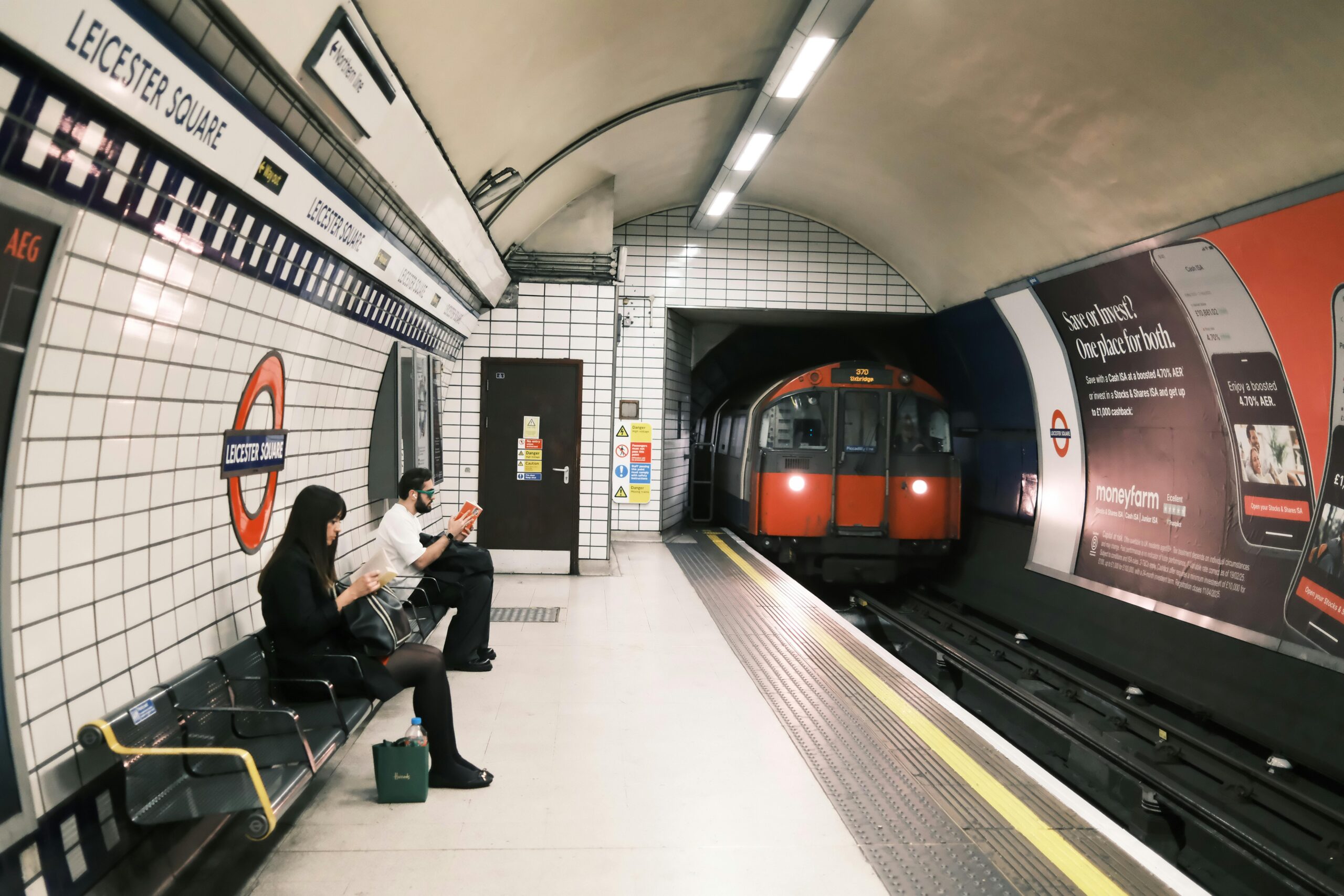
Having the card is step one. Using it correctly is step two.
- Book in Advance. Advance tickets are released up to 12 weeks ahead. Combining an Advance fare with your Railcard discount produces the lowest possible price on long-distance routes.
- Split your tickets. Sometimes A to B plus B to C is cheaper than A to C, even on the same train. Trainline’s SplitSave and free tools like Trainsplit and Split My Fare automate this.
- Renew early. Do not wait until the day of travel. Digital processing is fast, but the odd glitch happens. Renew a few days before your card expires.
Bottom line: Three or four medium-distance journeys a year is enough for a Railcard to pay for itself. For graduates attending interviews or visiting friends, it is an obvious yes.
Related guides
Frequently asked questions
Which railcard is best for UK students?
The 16-25 Railcard is the best fit for most UK students. It costs £35 for one year, or £80 for three, and gives you 1/3 off most rail fares across England, Scotland and Wales, including off-peak and Advance tickets.
Can I still use a 16-25 Railcard if I am over 25?
Yes, if you are in full-time study: 15 hours a week or more, over at least 20 weeks a year. You apply with a Mature Student Application Form signed by your tutor or college administration, plus institution photo ID for the current year. The 1/3 discount is the same, but the rules are not: you can only buy 1-year cards, you re-prove you are studying at every renewal, and distance-learning courses (including most Open University degrees) do not qualify.
Is it worth getting a Network Railcard or Two Together Railcard instead?
Network Railcard only covers the south-east of England and only off-peak. Two Together saves 1/3 when two named adults travel together. For most students travelling solo around the UK, the 16-25 Railcard wins. If you commute regularly with a partner, Two Together can be cheaper.
How quickly does a railcard pay for itself?
A £35 16-25 Railcard pays for itself after about £105 of full-price fares. That is two or three return trips home for most students. The £12 minimum-fare cap before 10am Monday to Friday means it is easy to recoup the cost in a single term.
Jamie writes to people already at uni
When your loan comes in, and what's due before it does. House deposits are the usual one.
You'll also get the At Uni pack as a PDF. Unsubscribe any time.

Ask Ella a question
If this guide didn't cover the thing you came for, ask. If enough people ask the same thing, it becomes a guide.
Read us often? You can add UniSorted as a preferred source on Google.