
Cleaning Checklist
By Tom Okafor · Updated 5 October 2026
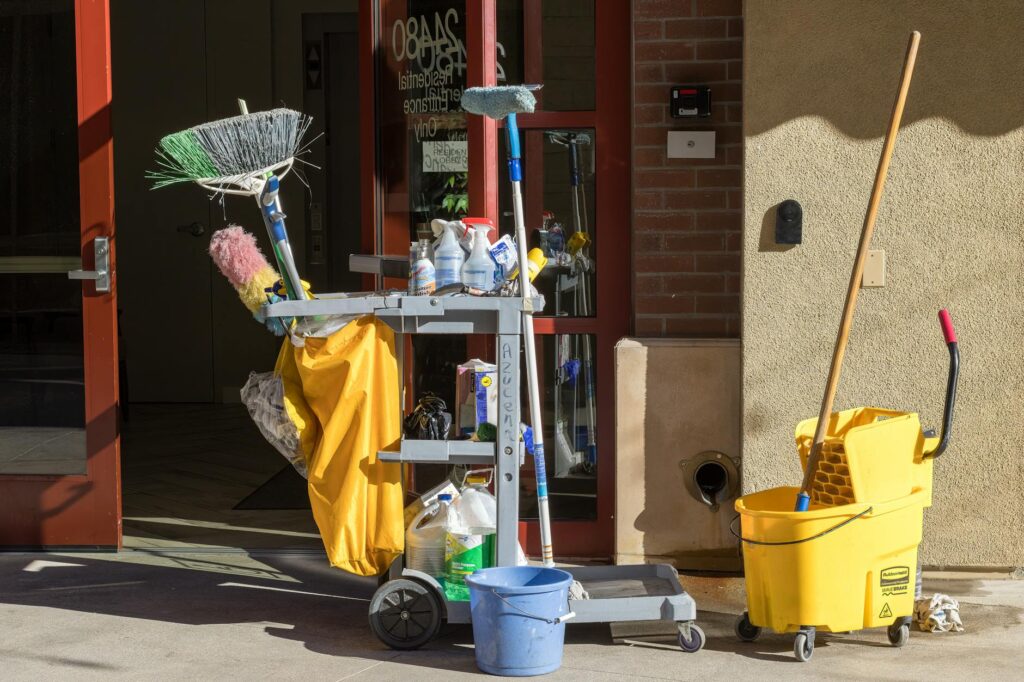
Why you need a checklist
Getting your full deposit back requires more than a quick vacuum and a wipe of the kitchen counters. Landlords expect the property to match the exact condition listed on your check-in inventory. If you leave grease in the oven or limescale on the showerhead, the letting agent will charge you for a professional clean.
Using a structured end of tenancy cleaning checklist ensures you hit every spot agents check. You cannot rely on a quick tidy on the morning you move out. Deep cleaning takes days. Plan ahead, buy the right products and assign specific rooms to your housemates.
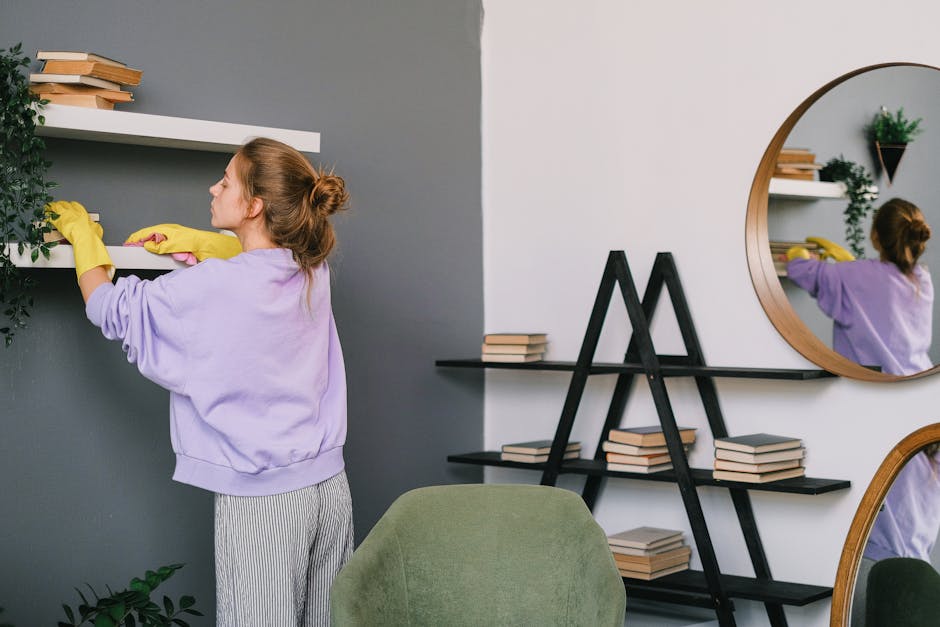
In England, landlords cannot legally force you to pay for a professional cleaning service under the Tenant Fees Act 2019. They can charge you if the property is not returned to its original standard.
Read your contract and find your original inventory document. This paperwork dictates the exact standard you must meet. If the oven was pristine when you moved in, it must be pristine when you leave.
Kitchen deep clean
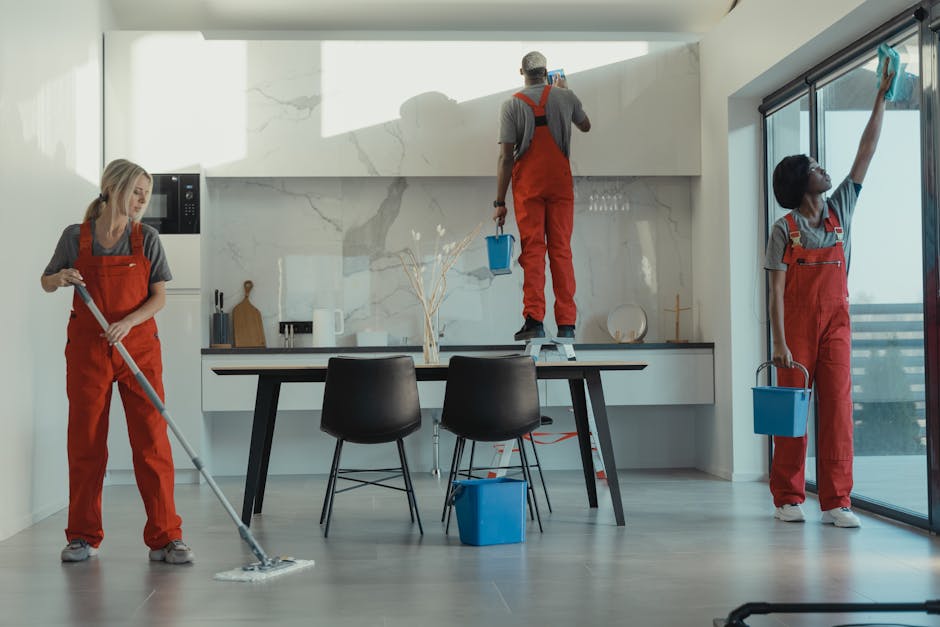
The kitchen takes the most time and effort. Ovens, fridges and washing machines collect hidden grime over a twelve-month tenancy. Start your kitchen deep cleaning checklist early. Defrosting a freezer takes a full day and heavy-duty oven cleaner needs hours to break down burnt food.
Do not ignore the appliances. Letting agents always check the washing machine rubber seal for mould and the dishwasher filter for food waste. Pull freestanding appliances away from the wall and sweep the floor underneath them.
Buy heavy-duty oven cleaner and thick rubber gloves. Standard kitchen spray will not remove baked-on carbon. Apply the oven cleaner the night before you plan to scrub. Wipe down all surfaces, including the tiles behind the hob. Grease splatters harden over time and require hot soapy water and a non-scratch scourer to remove.
Bathroom cleaning checklist for rental properties
Bathrooms show neglect quickly. Hard water areas in the UK cause rapid limescale buildup on taps, showerheads and glass screens. Your bathroom cleaning checklist for rental properties must tackle mould, soap scum and blocked drains.
Buy a dedicated limescale remover and a stiff grout brush. Spray the limescale remover on the taps and leave it for ten minutes before scrubbing. Use an old toothbrush to clean the grout lines between the tiles. Black mould in the grout is likely to mean a deduction unless a problem with the property caused it.
Do not mix cleaning products. Combining bleach with limescale remover creates toxic gas. Clean the toilet with bleach, rinse it away completely and then use your limescale spray on the taps.
Clear the drains. Hair and soap block the shower plughole over a year of use. Buy a chemical drain unblocker or use a plastic drain snake to pull the blockage out.
Bedrooms and living room

Bedrooms seem easy, but dust accumulates in hidden areas. Your bedroom and living room cleaning checklist needs to cover the spaces you usually ignore. Pull your bed and desk away from the wall. Vacuum the corners where dust gathers.
Inspect the walls for damage. If you used Blu Tack or command strips to hang posters, remove them carefully. Wipe away any greasy marks left by the adhesive. If you chipped the paint, you might need to buy a small tester pot to touch up the damage.
Check your mattress. If you spilled a drink during the year, use a fabric stain remover to lift the mark. Turn the mattress over if your contract allows it.
Wipe down all provided furniture. Dust the tops of wardrobes, the rungs of chairs, and the inside of desk drawers. Clean the inside of the windows and wipe down the window sills to remove dead bugs and condensation mould.
Hallways and communal areas
Hallways and living rooms take the most foot traffic. A hallways and communal areas cleaning checklist keeps your housemates accountable for shared spaces. Divide these tasks equally. Do not let one person take the blame for a dirty hallway.
Use a bills splitter tool if you need to share the cost of carpet cleaner rental or professional cleaning supplies among your housemates.
Pay attention to the front door. Muddy shoes leave marks on the bottom of the door, and fingerprints cover the handle. Wipe down the entire door, including the letterbox. Clean the light switches and plug sockets in every room, as these collect dirt from unwashed hands.
Pull the sofa away from the wall and vacuum underneath the cushions. You will likely find loose change, old food wrappers, and thick dust. Wash the sofa covers if they are removable and smell stale. Vacuum the stairs thoroughly. Dust collects on the edges of the steps. Use the brush attachment on your vacuum cleaner to reach the corners.
DIY vs professional cleaning checklist costs
You must decide whether to clean the property yourself or hire a professional company. A professional end of tenancy clean gives you a receipt to show the agent. Many companies offer a re-clean guarantee if the agent finds a fault, but some charge to come back, so ask before you book.
Doing it yourself saves money but costs time. You will need to buy specialist products for the oven, limescale, and carpets. If you fail the checkout inspection, the landlord will charge you their own cleaning fees, which are often inflated.
| Cleaning Issue | What a professional charges | DIY Cost (Supplies) |
|---|---|---|
| Dirty oven | £50 to £100 (Checkatrade) | £10 to £15 |
| Stained carpets | From £50 per room (Checkatrade) | £30 (machine rental) |
| Bathroom limescale | Varies | £5 to £10 |
| Leftover rubbish | Varies | £0 (council bins) |
Protect your finances by making a clear choice early. Review our student money guide to help budget for your moving costs. If your deposit is £500, spending £50 each on a professional clean might be the safest investment you make.
Final move-out cleaning checklist: handing back the keys
Your final move-out cleaning checklist happens on the day you leave. Once the house is empty of your belongings, walk through every room one last time. Open all the cupboards and drawers to check for forgotten items.
Take out all the rubbish. Landlords can charge you if you leave bin bags in the kitchen or overflow the external council bins. Take excess rubbish to the local tip.
Take date-stamped photos of every room, inside the oven, and inside the fridge immediately after finishing your cleaning. You will need this evidence if your landlord attempts an unfair deduction.
Lock the doors, close the windows, and return the keys to the letting agent. Do not leave the keys inside the property unless your landlord explicitly tells you to do so in writing.
Frequently asked questions
Do I have to pay for professional end of tenancy cleaning?
No, not in England. The Tenant Fees Act 2019 stops a landlord making you pay for a professional cleaning service. Wales, Scotland, and Northern Ireland have their own fee laws. You are only required to return the property to the same standard of cleanliness described in your check-in inventory. If you achieve this standard through your own cleaning, the landlord has no grounds to charge you. However, many letting agents still include clauses in tenancy agreements recommending professional cleaning, which can create confusion. These clauses are not legally enforceable if they require you to pay for a specific service. If your landlord tries to deduct cleaning costs from your deposit despite the property being clean, you can raise a dispute through your deposit protection scheme. Keep date-stamped photos of every room, appliance, and surface taken on the day you hand back the keys. In England and Wales, the Tenancy Deposit Scheme, Deposit Protection Service, and MyDeposits all offer free dispute resolution, and the schemes in Scotland and Northern Ireland are free too.
How clean does a rental property need to be when moving out?
Your rental property must match the condition described in your check-in inventory. This document is your benchmark, so read it carefully before you start cleaning. If the inventory states the oven was professionally cleaned before you moved in, you need to leave it in that exact condition. Normal wear and tear is acceptable for items like carpets showing foot traffic or small scuff marks on walls. Dirt, grease, and limescale are never classed as wear and tear. Mould is different, because if it comes from a fault with the building it is the landlord’s responsibility. Focus on the areas landlords check most closely: inside the oven, behind the hob, bathroom sealant, window tracks, skirting boards, and the tops of kitchen cupboards. If you did not receive a check-in inventory when you moved in, contact your letting agent in writing and request one. Without an inventory, your landlord will struggle to prove the property was left in worse condition, which works in your favour during any deposit dispute.
Can a landlord charge me for cleaning if I already cleaned?
Yes. If your DIY cleaning does not meet the standard described in the check-in inventory, the landlord can deduct money from your deposit to cover the cost of hiring a professional cleaner. The amount deducted must be reasonable and in proportion to the cleaning that was needed. A landlord can claim on the basis of a quote, or for doing the work themselves, but has to back it up. You can dispute this deduction through your deposit protection scheme if you believe your cleaning was sufficient. To build a strong case, take date-stamped photos of every room immediately after you finish cleaning, including close-ups of the oven interior, bathroom tiles, window frames, and any areas mentioned in the inventory. Keep receipts for cleaning products you purchased. If the landlord provides an invoice from a cleaning company, check the amount against local rates. Professional end of tenancy cleaning for a three-bedroom property averages about £300, or £330 in London (Checkatrade, August 2026). If the deduction is out of proportion, or the landlord has no evidence for it, the adjudicator is likely to reduce or refuse it.
How long does an end of tenancy clean take?
A full end of tenancy clean for a standard three-bedroom student house takes between 10 and 15 hours of continuous work spread across multiple sessions. The kitchen alone typically takes 3 to 4 hours, with the oven needing at least 2 hours of soaking time before you can scrub it properly. Defrosting the freezer adds another 4 to 6 hours of waiting time, so start this the night before your main cleaning day. Bathrooms take 1 to 2 hours each depending on limescale buildup. You should begin deep cleaning at least three days before your move-out date to avoid rushing. Start with the rooms you use least, such as spare bedrooms and the hallway, and work towards the kitchen and your own bedroom last. If you are sharing the work with housemates, assign each person specific rooms rather than trying to clean communally. This avoids arguments about who did what and ensures every area gets proper attention.
Jamie writes to people already at uni
When your loan comes in, and what's due before it does. House deposits are the usual one.
You'll also get the At Uni pack as a PDF. Unsubscribe any time.

Ask Tom a question
If this guide didn't cover the thing you came for, ask. If enough people ask the same thing, it becomes a guide.
Read us often? You can add UniSorted as a preferred source on Google.