
Best Budget Recipes
By Tom Okafor · Updated 5 October 2026
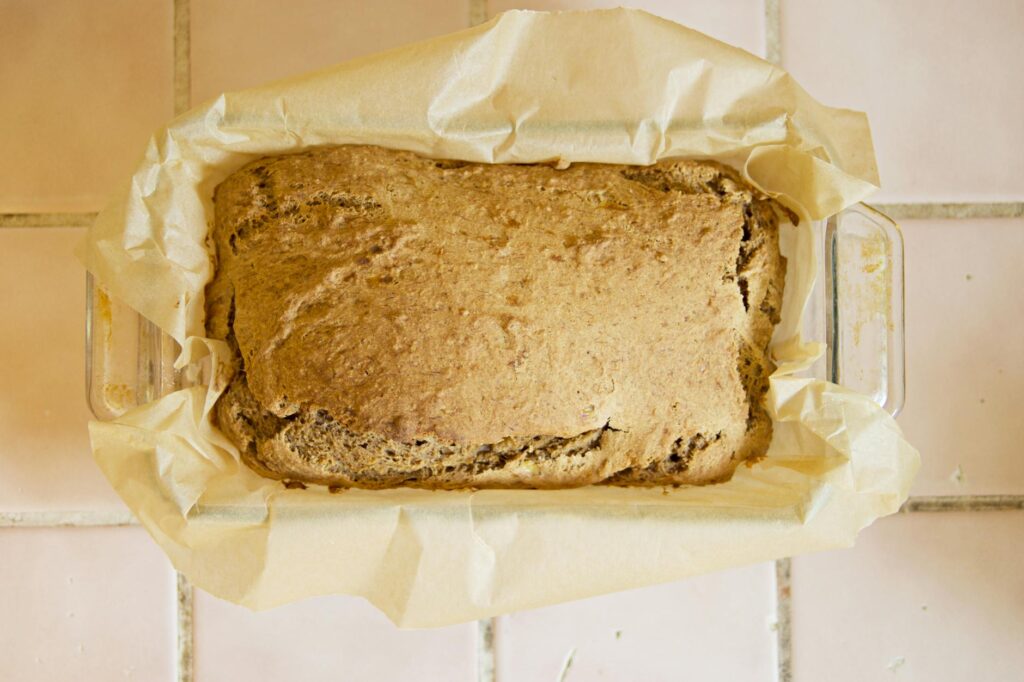
Best budget recipes for batch cooking
Batch cooking is the main defence against overspending on food. Prices are still creeping up. The ONS puts food and non-alcoholic drink inflation at 1.3% in the year to August 2026, down from 3.7% in March. The arithmetic is simple. One big pan takes about as long as one portion, you run the hob once, and the per-meal cost falls hard. The less obvious win is what it stops: the delivery order at 10pm after a late lecture. In the NatWest Student Living Index 2025, 40% of students said takeaways and eating out were what they most regretted spending on.
If you only ever learn one of these, learn the chilli. A 500g pack of pork mince is about £2.50 at Aldi (beef is nearer £3.10), and two 45p tins of kidney beans stretch it a long way while doing half the protein work.

Add a 43p tin of chopped tomatoes, a diced onion, cumin, paprika and chilli powder, then leave it on a low heat for a full 45 minutes, which is what breaks the meat down and thickens the sauce. Portion it into four: two in the fridge for the next two days, two in the freezer for later in the month.
Two things the recipe cards never tell you. Spices from the world food aisle come in bags about twice the size of the baking-aisle jars for a little more money. And flat freezer bags beat boxes: pour the cooled chilli in, seal it, press it flat on the counter and it stacks like books in a shared-house freezer drawer. Let it cool for no more than two hours at room temperature first; hot food straight into the freezer warms everything around it.
It scales to four to six portions and freezes for up to three months without the texture going, but budget for the spices up front and give it its full 45 minutes on the hob.
Best vegetarian budget recipes
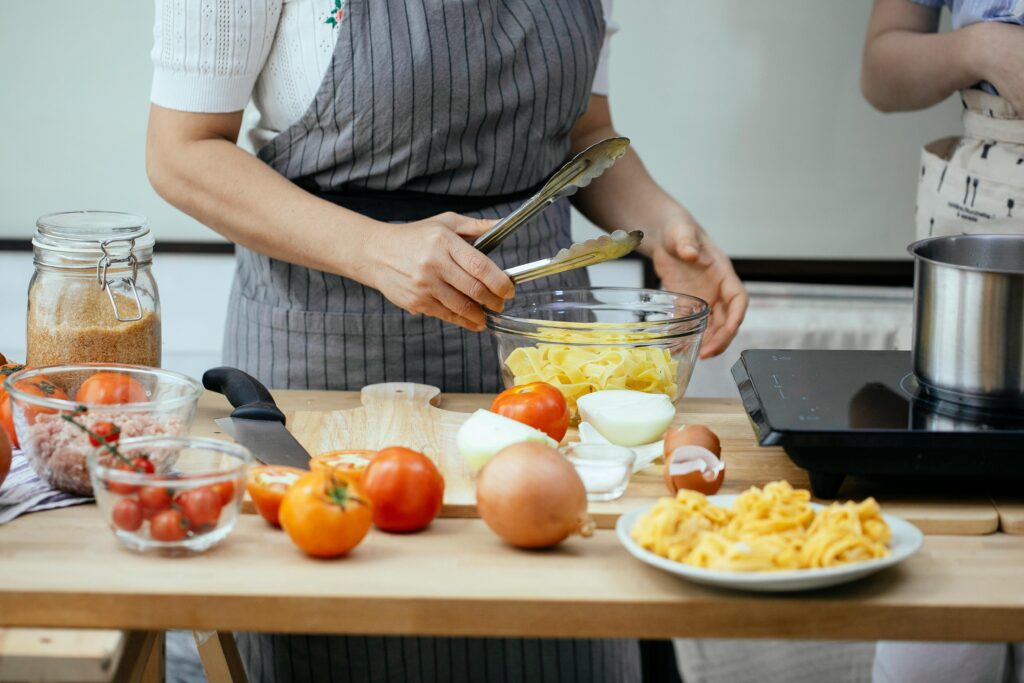
Meat is the line on the receipt that moves the total. With the average student spending about £146 a month on groceries, dropping it from two meals a week is one of the quickest ways to pull that figure down, and it's also the cheapest way to eat more variety.
Lentil and chickpea curry costs pennies. A 500g bag of dried red lentils is 89p at Aldi and you use 100g a batch, so the core ingredient comes to 18p; add a rinsed 45p tin of chickpeas, a 90p tin of coconut milk, a tablespoon of mild curry powder and a pinch of salt, and simmer for 25 minutes until the lentils collapse into the coconut milk and thicken it themselves. It makes two portions. Serve with a 40p own-brand naan or plain rice.
Keep the dried lentils in an airtight container or the cupboard moths find them. And skip fresh garlic bulbs that sprout in the cupboard: a jar of garlic paste (about £1.40) lives in the fridge door for months. The curry itself keeps two days in the fridge.
Dried red lentils cost pennies a serving and keep for months, and the whole thing is one pan in under 25 minutes; the flavour does lean on fresh ginger and garlic paste, and it turns to mush if you walk away from it.
Best quick budget recipes for students
Nobody wants to stand over a hob for an hour after a late shift. This one is for those nights, and everything in it comes out of a cupboard.
Boil 300g of dried pasta for ten minutes, drain, and stir in a 50p jar of basic tomato pasta sauce, a drained 80p tin of tuna and a 50p tin of sweetcorn. Tip it into an ovenproof dish, grate about £1 of sharp cheddar over the top and give it 20 minutes at 200C until the cheese is golden and bubbling at the edges.
Swap the tuna for leftover chicken or a handful of frozen peppers if you'd rather. Grate the cheese yourself: pre-grated costs up to 30% more per gram and is dusted with anti-caking agents that stop it melting properly.
It feeds three, so if you're cooking for the flat, split the shop with the bills splitter rather than arguing about who bought the cheese.
Cupboard food, ten minutes of work, and the one recipe on this page that doesn't freeze well, so eat it over two days.
Best budget recipes for meal prep
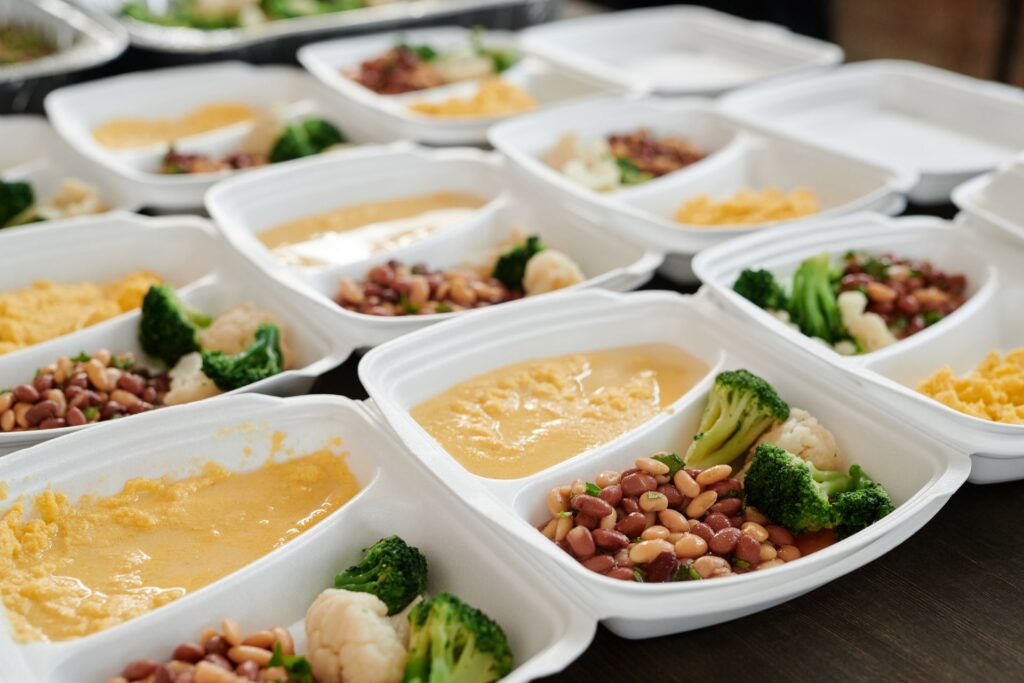
Meal prep lives or dies on reheating. Chicken breast turns to cardboard in a microwave; sausages cooked in a thick sauce stay tender for days, which is why this one earns its place.
A bag of 16 to 20 frozen pork sausages is £1.60 to £2, so the eight you need come to £1 or less (veggie ones cost more). Fry them straight from frozen on a low heat until the skins brown, add two chopped carrots and an onion to soften, then pour in a 50p carton of passata and a standard 40p tin of baked beans and simmer for 30 minutes. The bean starch thickens the passata into a proper gravy without any flour.
One rule worth holding onto: never refreeze meat that has thawed unless you've cooked it through first.
It's also quietly good for you: carrots, onion and beans all count towards five a day, and a handful of frozen spinach stirred in at the end adds another of your five a day and vanishes into the sauce.
Portion it into tight-lidded containers, glass if you can stretch to it because plastic stains orange, and label yours if the fridge is shared; our student housing section covers the fridge politics. It makes four portions, keeps two days in the fridge, wants bread or mash alongside to be a proper meal, and comes to about 60p a portion on its own.
Best ultra-low budget recipes
You need one survival recipe for the last fortnight before the maintenance loan lands, and you're not alone in needing it: 53% of students run out of money before the end of term (NatWest Student Living Index 2025). Egg fried rice costs almost nothing and uses up what's already there.
Cook a 10p portion of plain rice the day before and keep it in the fridge overnight; cold rice fries properly, fresh rice turns to paste.
The one bit of food science that matters here: rice grows Bacillus cereus if it sits around, the spores survive boiling, and the toxins they make survive reheating, so cooked rice goes in the fridge within an hour and gets eaten within a day. That's the whole rule, and it's what keeps you out of hospital.
Heat a tablespoon of vegetable oil, add the cold rice and a handful of 20p frozen peas and fry for three minutes until piping hot. Push the rice to one side, crack two eggs into the gap, scramble them fast, then mix through with a splash of dark soy.
Well under £1 a portion, cheap calories plus the protein from the eggs. If the money runs out before term does, your university hardship fund exists for exactly this; speak to student services rather than skipping meals.
Yesterday's cold rice, ten minutes, done. Thin on nutrition unless you throw in frozen veg, so treat it as the fortnight-before-payday meal, not the everyday one.
All five side by side:
| Recipe | Cost Per Portion | Prep Time | Freezable |
|---|---|---|---|
| Chilli Con Carne | £1.10 | 45 mins | Yes |
| Lentil Curry | ~£0.80 | 25 mins | Yes |
| Tuna Pasta Bake | ~£1.00 | 30 mins | No |
| Sausage Casserole | ~£0.60 | 30 mins | Yes |
| Egg Fried Rice | ~£0.60 | 10 mins | No |
And if exam season has you buying snacks every time you sit down to revise, the money you saved batch cooking leaks out at the corner shop; our cheap revision snacks guide covers the Aldi and Lidl desk-side options that don't wreck the weekly shop.
Frequently asked questions
What is the cheapest meal for a student to make?
Egg fried rice, at about 60p a portion. The lever most people miss is the rice itself: a 1kg bag from the world food aisle costs a fraction of the microwave pouches per gram, and it keeps for a year.
How much should a student spend on food a week?
The average student supermarket spend is about £34 a week (£146 a month, per NatWest), and that's before any takeaways. Cooking from this page, £30 a week is realistic without feeling deprived; under £25 means you're living on the egg fried rice, which is fine for a fortnight and grim for a term.
What are the best foods to buy on a tight budget?
Dried carbs (pasta, rice, lentils) and tins (tomatoes, beans, chickpeas), because they don't go off and every recipe here is built on them. Frozen veg beats fresh on both price and waste. Meat and cheese are the flavour, not the base, so buy them in small amounts.
How can I save money on my food shop?
Own-label over brands, a big supermarket over the corner shop (the Tesco Express mark-up is real), and a list you stick to. None of it is clever; it's just what works.
Jamie writes to people already at uni
When your loan comes in, and what's due before it does. House deposits are the usual one.
You'll also get the At Uni pack as a PDF. Unsubscribe any time.

Ask Tom a question
If this guide didn't cover the thing you came for, ask. If enough people ask the same thing, it becomes a guide.
Read us often? You can add UniSorted as a preferred source on Google.