
House Viewing Checklist
By Tom Okafor · Updated 9 October 2026

Preparing your checklist
Before you step foot in a property, get your finances and your group sorted, because the student housing market moves fast. If you view a house unprepared, another group will secure it while you scramble for paperwork. Landlords prefer organised groups who can pay the deposit immediately.
Know your budget. Discuss maximum monthly budgets with your future housemates before booking viewings. Factor in the cost of energy bills, broadband and water if the rent does not include them.
Checking the exterior

The outside of the house tells you exactly how well the landlord maintains the property. A neglected exterior usually means neglected interiors. Look closely at the roof, gutters and security features before you even knock on the front door. Burglars target shared student houses because there is more to steal, with several laptops, phones and consoles under one roof.
If the front door feels flimsy or has only a latch lock, ask the landlord for better locks before signing. In a shared house the front door should still open from the inside without a key, so you can get out in a fire.
Pay attention to the street lighting and the route you will walk home after late library sessions and a cheap house in a poorly lit, isolated area will cost you more in taxi fares over the year.
Damp and heating checks
Damp is the problem most likely to make a student house miserable by January. Awaab’s Law, which puts fixed deadlines on damp and mould repairs, only covers social housing in England so far; the Renters’ Rights Act 2025 lets the government extend it to private landlords, but no start date has been set. In Scotland the same kind of deadlines have applied to most private tenancies since 6 October 2026. Landlords often paint over mould before viewings. Look for fresh paint patches on exterior-facing walls or ceilings.
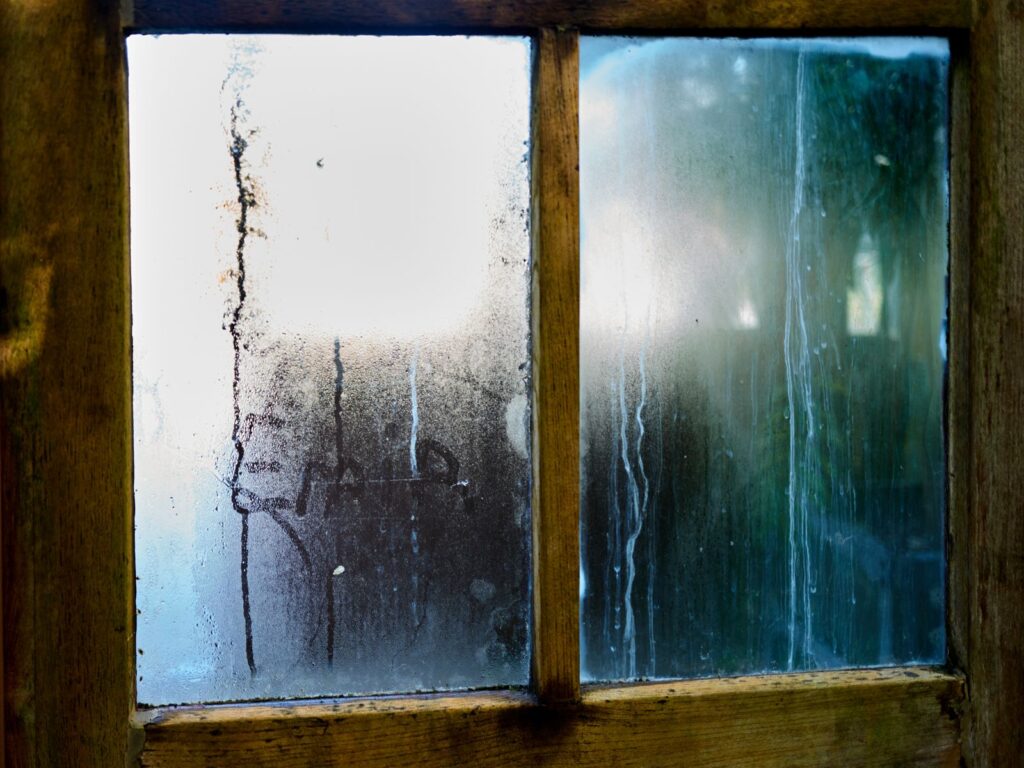
Use the back of your hand to feel the walls around windows. Cold, slightly wet walls are a sign of damp.
Heating a poorly insulated house will drain your student loan. Ask to see the boiler and check its age. Older boilers are more likely to break down in winter.
Bedroom and living room checks
Houses in Multiple Occupation (HMOs) must meet specific space and safety standards. Every bedroom should have enough space for a bed, wardrobe and desk. Do not accept a room that feels like a cupboard just to secure a house. You will spend most of your time studying and sleeping in this room.
Test the practical elements you will rely on daily. Some landlords provide cheap, uncomfortable mattresses and unstable desks. Check the furniture quality before you agree to rent.
Kitchen and bathroom checks
You will share these spaces heavily. Poor water pressure and broken appliances cause daily friction among housemates. Test everything. Turn on the taps, flush the toilets, and open the fridge. Some agents will try to hurry you out of the bathroom, but take your time.
In England and Wales a house let as a whole must have an Energy Performance Certificate (EPC) rated E or above, unless the landlord has registered an exemption. Ask to see it before making an offer. A room let on its own contract does not need one.
| Appliance/Fixture | What to check | Red Flags |
|---|---|---|
| Shower | Turn it on to check water pressure and temperature | Trickling water, slow drainage, black grout |
| Toilet | Flush it to check the mechanism and refill speed | Continuous running water, leaks around the base |
| Fridge/Freezer | Open doors, check seals, assess capacity | Broken seals, heavy ice build-up, too small for the group |
| Oven/Hob | Turn on rings, open the oven door | Missing knobs, thick grease, broken door seals |
| Washing Machine | Check the drum and detergent drawer | Black mould in the rubber seal, strong damp smells |
Essential questions to ask
The agent is there to let the room. If the current tenants are home, ask them directly about their experience. They are leaving, so they have less reason than anyone to talk the place up.
Before you sign, run the quoted rent through our rent affordability calculator. If an agent says something about your rights that sounds off, check it in our student housing section.
Next steps after the viewing
Once you find a house that passes the checklist, move quickly but carefully. Do not hand over cash without seeing a draft contract. Scammers often post fake listings and demand deposits before viewings.
See also: our accommodation websites comparison.
Under England’s Tenant Fees Act, landlords cannot charge viewing fees, referencing fees, or inventory fees. Before you sign, the only money they can take is a holding deposit of up to one week of rent. Your main tenancy deposit is capped at five weeks of rent, or six weeks if the yearly rent for the house is £50,000 or more.
Frequently asked questions
What to look for when viewing a student house?
Spend the viewing on damp, heating and the state of the building rather than the furniture. Check for damp patches on walls, test the water pressure in the shower, and count the plug sockets in every bedroom. Outside, look up for broken gutters or missing roof tiles, which is where winter leaks tend to start.
What questions to ask at a house viewing?
Always ask the current tenants how responsive the landlord is to maintenance requests and how much they pay for winter energy bills. Ask the letting agent if the property has a valid HMO licence and an Energy Performance Certificate. Confirm the move-in date and the notice you have to give to leave.
How long do house viewings take?
Allow about half an hour for a thorough viewing, and more for a big house. Do not let the letting agent rush you through the rooms. Take your time to test taps, open cupboards, and inspect walls for signs of mould.
Can you negotiate rent on a student house?
You can attempt to negotiate rent. But the student housing market is competitive. If the landlord refuses to lower the rent, try negotiating for upgraded furniture or a professional clean before you move in.
Jamie writes to people already at uni
When your loan comes in, and what's due before it does. House deposits are the usual one.
You'll also get the At Uni pack as a PDF. Unsubscribe any time.

Ask Tom a question
If this guide didn't cover the thing you came for, ask. If enough people ask the same thing, it becomes a guide.
Read us often? You can add UniSorted as a preferred source on Google.