
Amazon Prime Day 2026: What's Actually Worth It for Students
By Ella Woodward · Updated 19 September 2026
Links with an * may help pay for UniSorted.
Amazon Prime Day 2026 has been and gone: it ran 23 to 26 June, the first time the event landed in June rather than July. Missed it? The next big Amazon sale is Prime Big Deal Days, which usually lands in October, so this guide still earns its keep. And the student win never really depended on the countdown clock anyway. It is the half-price Prime Student membership, plus knowing which deals are actually deals.
After freshers' week
The At Uni pack is mostly about making the January loan payment last until April, and what to do if it doesn't.
Leave the box empty and you'll just get the PDF. Unsubscribe any time.
Prime Student is the genuine student win
Before you buy anything, sort the membership. Prime Student is £4.49 a month or £47.49 a year, which is 50% off standard Prime, and it opens with six months free. You qualify if you are enrolled at a UK or Republic of Ireland university at any age, or if you are 18 to 24 in the UK whether you study or not.
The free six months covers any sale window with room to spare. Start the free Prime Student trial*, use the free next-day delivery and the member deals, then decide whether to keep it. You can cancel before it ever charges you.
What is actually worth buying as a student
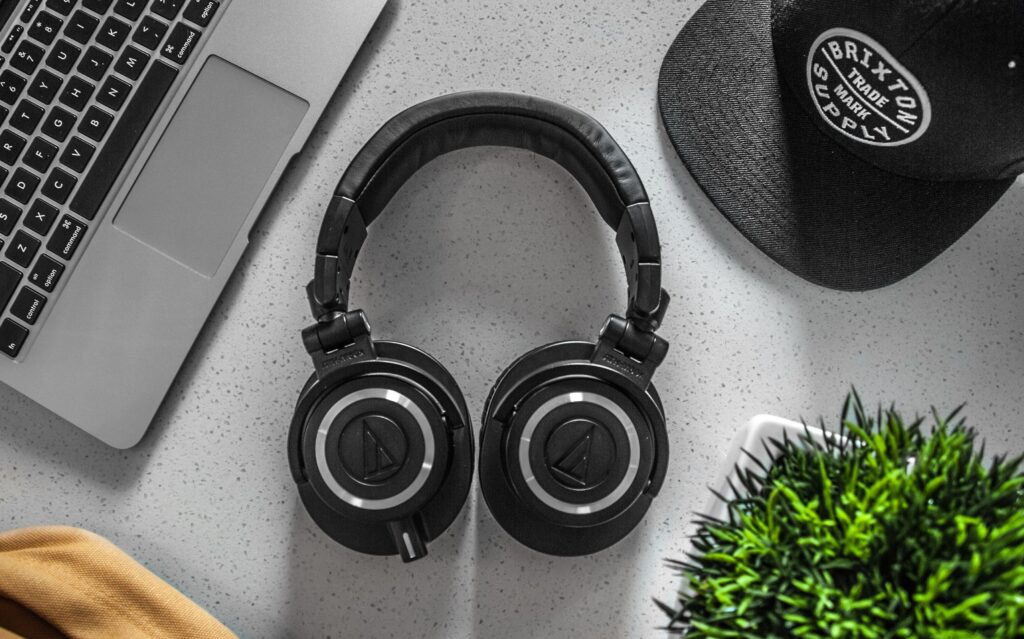
Amazon's big sales are strongest on its own devices and on tech, which is where most student budgets already go. You can browse Amazon's current deals* directly, but go in with a list. Treat it as a chance to buy things you needed, not an excuse to find new ones. Three categories tend to be worth watching:
- Kit for your course: a laptop*, an external SSD, a second monitor, or noise-cancelling headphones* for the library. These are the biggest-ticket student buys, so a real discount saves the most here.
- Things for your halls or flat: kitchen and home basics* like a kettle, a microwave, bedding, storage boxes, or a cheap printer. Useful before a new term, and easy to overspend on.
- Boring stock-ups: toiletries, laundry tabs, batteries, kitchen basics. Buying a term's worth at a genuine discount is the least exciting and most sensible use of the event.
Amazon's own Echo, Fire and Kindle devices* usually see the deepest cuts in these sales. If one was already on your list, that is the window to grab it.
How to spot a fake Prime Day deal
A big crossed-out price is not always a real saving. Some "was" prices drift up in the days before the event so the discount looks bigger than it is. Three quick checks before you buy:
- Run the product through a price tracker like CamelCamelCamel or Keepa. They show the real price history, so you can see whether today's price is the genuine lowest or just average.
- Compare the same item at Currys, Argos, or the brand's own site. Prime Day prices are not always the cheapest going.
- Ignore the countdown timer. A ticking clock is there to rush you, not to help you. If you would not have bought it last week, the timer is not a reason to buy it now.
Do not let the event spend your term's budget
The cheapest Prime Day deal is the one you were going to buy anyway. Everything else is Amazon getting you to spend. Your steadier savings come from the things that work all year: the free student discount platforms, a railcard, and a music subscription at the student rate. Our student deals hub rounds those up, and the laptop deals guide is worth reading before you buy any big tech in the sale.
Some links on this page are affiliate or partner links. They never change the price you pay, and we only point you to things worth your money.
Quick questions
Do I need Prime to get Prime Day deals?
Yes, the deals are for members only. But the six-month free Prime Student trial covers the event, so you can get in without paying a thing.
When is the next Amazon Prime Day?
Prime Day 2026 finished on 26 June. Amazon's next big members' sale is Prime Big Deal Days, which usually lands in October, and Black Friday follows in late November. Dates shift every year, so check amazon.co.uk before you count on them.
Jamie writes to people already at uni
When your loan comes in, and what's due before it does. House deposits are the usual one.
You'll also get the At Uni pack as a PDF. Unsubscribe any time.

Ask Ella a question
If this guide didn't cover the thing you came for, ask. If enough people ask the same thing, it becomes a guide.
Read us often? You can add UniSorted as a preferred source on Google.