
Credit Cards for Graduates
By Marcus Reid · Updated 11 July 2026
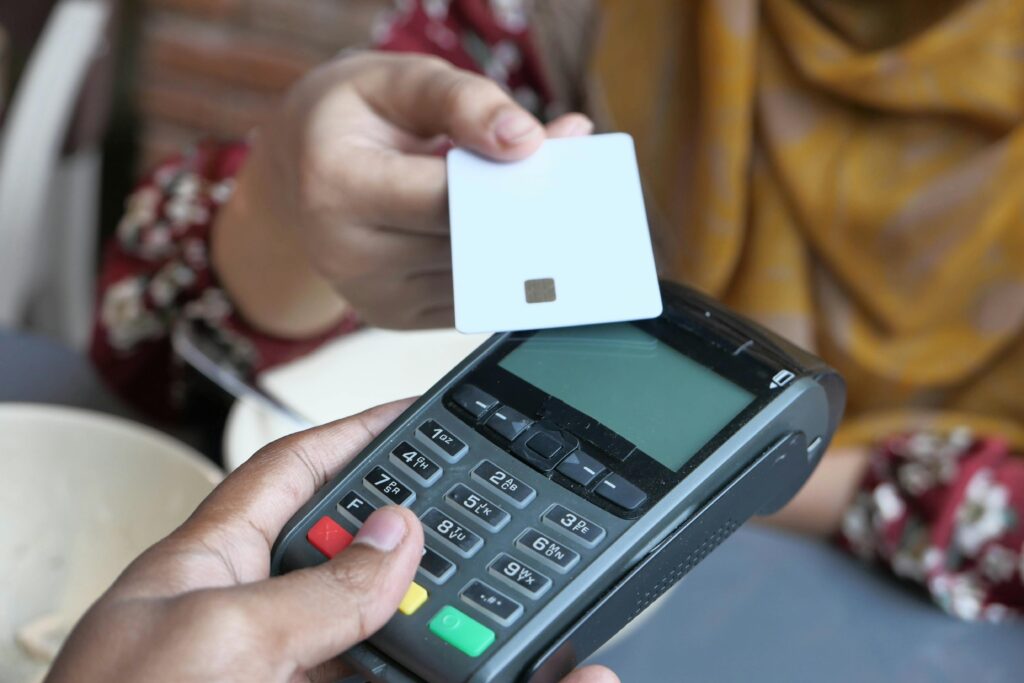
Leaving university marks the start of your financial independence. Discover how the right credit card can help you build a credit history, protect your purchases and manage your cash flow as you enter the workforce.
Transitioning from student life to the working world is a significant milestone. Alongside the excitement of your first graduate role comes the responsibility of managing your own finances entirely. Many students are wary of credit cards because of the fear of debt. Used carefully, and cleared in full each month, a card is one way to build a credit history; used carelessly it is an expensive form of borrowing.
A graduate credit card is a way to build a credit record, not only a way to borrow: regular, repaid use shows future lenders how you handle credit. Below is an overview of options in the UK market and how they work. This is general information, not a recommendation to take out any particular card.
For information only. UniSorted is not a financial adviser and is not authorised or regulated by the FCA. This page does not recommend any specific card or tell you which one to apply for. Credit is subject to status and affordability, rates and terms change, so always check the provider's current terms before you apply. Missing repayments can harm your credit rating.
Related tool: Use our free Student Budget Calculator to see if your monthly spending leaves room for a card repayment. No sign-up, nothing saved.
Priya's pack for the grad job hunt
Written in May, the Graduate Job pack shows which firms cut graduate places in 2025 (all four of the Big Four did). There's also a three-month application plan.
Leave the box empty and you'll just get the PDF. Unsubscribe any time.
Why consider a credit card as a graduate?
You might be wondering if you need another piece of plastic in your wallet. However, there are distinct advantages to getting a credit card shortly after graduation.
1. Building your credit score
When you leave university, you likely have a “thin” credit file. You may have had a student overdraft or a mobile phone contract, but lenders have little evidence of how you manage debt. Using a credit card for small, regular purchases and paying it off in full every month builds a positive history. This is vital if you plan to apply for a mortgage or a car loan in the future.
2. Section 75 protection
One of the greatest benefits of using a credit card in the UK is the legal protection it offers. Under Section 75 of the Consumer Credit Act, any purchase you make between £100 and £30,000 is protected. If the retailer goes bust or the goods are faulty, the credit card provider is jointly liable. This is excellent protection for big graduate purchases like a laptop for work or a holiday.
3. Managing cash flow
Starting a new job often means upfront costs like travel season tickets or professional workwear before your first pay cheque arrives. A credit card can provide a short interest-free period (usually up to 56 days) to bridge this gap, provided you clear the balance when you get paid.
Top credit card picks for graduates
As a graduate, you might not qualify for the most premium cards immediately if your income is just starting or your credit history is limited. We have selected cards that balance acceptance rates with useful features for young professionals.

Rep. APR 29.1% Variable
Best for: Graduates with a secured job looking for rewards.
If you have secured a graduate role, this is one option to consider. It has no annual fee and earns cashback on everyday spending, which can offset some of your commute or grocery costs. Whether it suits you depends on your income and how you plan to use it.
- Perk: 5% cashback for the first five months (up to £125).
- Requirement: You usually need a verifiable income to apply.
- Note: Amex is widely accepted, but it is wise to carry a backup Visa or Mastercard.
Rep. APR 33.9% Variable
Best for: Building a credit score from scratch.
The Barclaycard Forward is designed specifically for those with limited credit history. It is a “credit builder” card. While the credit limit may start low, it is good for demonstrating you can manage credit responsibly. They may decrease your interest rate after the first year if you make all payments on time.
- Perk: Price Promise (interest rate reduction) for good behaviour.
- Features: Access to Barclaycard Entertainment perks.
- Caution: The interest rate is high, so you must pay off the balance in full every month to avoid charges.
Rep. APR 29.9% Variable
Best for: Shoppers who want to track their credit health.
This is another strong option for building credit. A distinct advantage of the Tesco Foundation card is that it gives you access to Tesco Bank CreditView, allowing you to track your credit score progress. Plus, you collect Clubcard points on your spending.
- Perk: Monthly credit score updates.
- Bonus: Collect Clubcard points almost everywhere you use the card.
The golden rules of credit card usage
To ensure your credit card remains a helpful tool rather than a financial burden, stick to these three simple rules.

1. Set up a direct debit
Life gets busy, and missing a payment can damage your credit score and incur fees. The safest strategy is to set up a Direct Debit to pay the full balance automatically every month. This ensures you never pay a penny in interest.
2. Keep your credit utilisation low
Just because you have a credit limit of £1,000 does not mean you should use it all. Credit reference agencies like Experian and Equifax prefer to see you using a lower percentage of your available limit, typically under 30%. This demonstrates that you are not reliant on credit to survive.
3. Avoid cash withdrawals
Never use your credit card to withdraw cash from an ATM. This is known as a “cash advance.” You will usually be charged a fee immediately, plus interest starts accruing from the moment you take the money out, even if you pay it off in full at the end of the month. It also leaves a mark on your credit file that lenders dislike.
Checking your eligibility
Before you apply for any card, use an eligibility checker (often called a “soft search”). Most major banks and comparison sites offer this. A soft search tells you how likely you are to be accepted without leaving a visible footprint on your credit file for other lenders to see. Too many full applications in a short space of time can make you look desperate for credit, which lowers your score.

Summary
A credit card is a standard part of modern financial life. For a graduate, it acts as a stepping stone to future financial stability. By choosing a card that matches your current income and credit history, and by paying off your bill religiously every month, you lay the groundwork for a healthy financial future.
Disclaimer: The content on this page is for informational purposes only and does not constitute financial advice. ‘unisorted.co.uk’ is not a financial advisor. Credit is subject to status and affordability. Failure to keep up with repayments could result in your credit rating being adversely affected. Always read the terms and conditions of any financial product before applying.
Frequently asked questions
Should I get a credit card as a recent graduate?
If you have a steady salary and can clear the balance in full each month, yes. A credit card builds your credit file faster than any debit account and protects purchases over 100 pounds under Section 75. Avoid carrying a balance because graduate card interest rates are usually 25 to 35 percent APR.
Which credit cards are available for graduates with no credit history?
Capital One Classic, Aqua Classic, Vanquis Classic and Tesco Foundation are the typical starter cards. Limits start around 200 to 1,000 pounds. After six months of perfect payment, mainstream lenders like Barclaycard, Halifax and HSBC will usually accept you.
How much should I spend on a credit card to build credit?
Use it for around 20 to 30 percent of your limit each month and pay it off in full by the due date. This shows lenders you can handle credit responsibly. Maxing out the card or making minimum payments only damages your score even if you never miss a payment.
Will applying for a credit card hurt my credit score?
Each formal application leaves a hard search that nudges your score down for a few months. Use eligibility checkers (ClearScore, MoneySavingExpert, Experian) which only do soft searches before applying. Apply for one card at a time and wait six months between applications.
Priya's email, for your first year out
Some weeks it's a rolling-deadline scheme that shuts when it's full, well before the date on its website. Other weeks it's whether a relocation bonus is worth the clause that makes you pay it back.
You'll also get the Graduate Job pack as a PDF. Unsubscribe any time.

Ask Marcus a question
If this guide didn't cover the thing you came for, ask. If enough people ask the same thing, it becomes a guide.
Read us often? You can add UniSorted as a preferred source on Google.