
Choosing Accommodation (Halls vs Private)
By Megan Ellis · Updated 13 October 2026

Should you choose university halls or rent privately? Here’s an honest breakdown of the costs, benefits and trade-offs to help you decide.
Choosing where to live is one of the biggest decisions you’ll make before starting university. Many first-year students go into university-managed halls of residence, but private rentals, purpose-built student accommodation (PBSA) and homestays are all legitimate options. This guide compares halls and private renting on cost, bills, community, and flexibility.
Sophie's pack for 2027 entry
The Applying to Uni pack is an 8-page PDF. It covers the 13 January UCAS deadline and what to do before it, the three personal statement questions, when to apply for student finance, and what the England loan comes to a month.
Leave it unticked and you'll just get the link to the PDF. The letters have no set schedule. You need to be 13 or over. Unsubscribe any time. Privacy policy
The key differences
| Factor | University Halls | Private Accommodation |
|---|---|---|
| Typical cost | About £100 to £250/week (catered halls and London cost more) | £80 to £200/week outside London, more for a studio (varies hugely by city) |
| Bills included? | Usually yes (all-inclusive) | Varies: private halls usually yes, houses depend on the city. If not, budget separately for gas, electric, broadband |
| Contract length | Fixed (usually 38 to 44 weeks) | House share: rolling in England, and you can leave with two months’ notice. Private halls: fixed, often longer than university halls |
| Social life | Excellent: many people in same building | Good if you choose housemates well |
| Location | Usually on or near campus | Variable: check commute time carefully |
| Flexibility | Low: usually allocated by the university | Higher: choose location, housemates, spec |
| Maintenance & repairs | Handled by the university | The landlord’s job once you report it (disputes can arise) |
| Catered option? | Sometimes available (for extra cost) | Rarely |
The case for university halls
Halls remain the most popular choice for first-year UK students, and for good reason. Here’s where they excel:
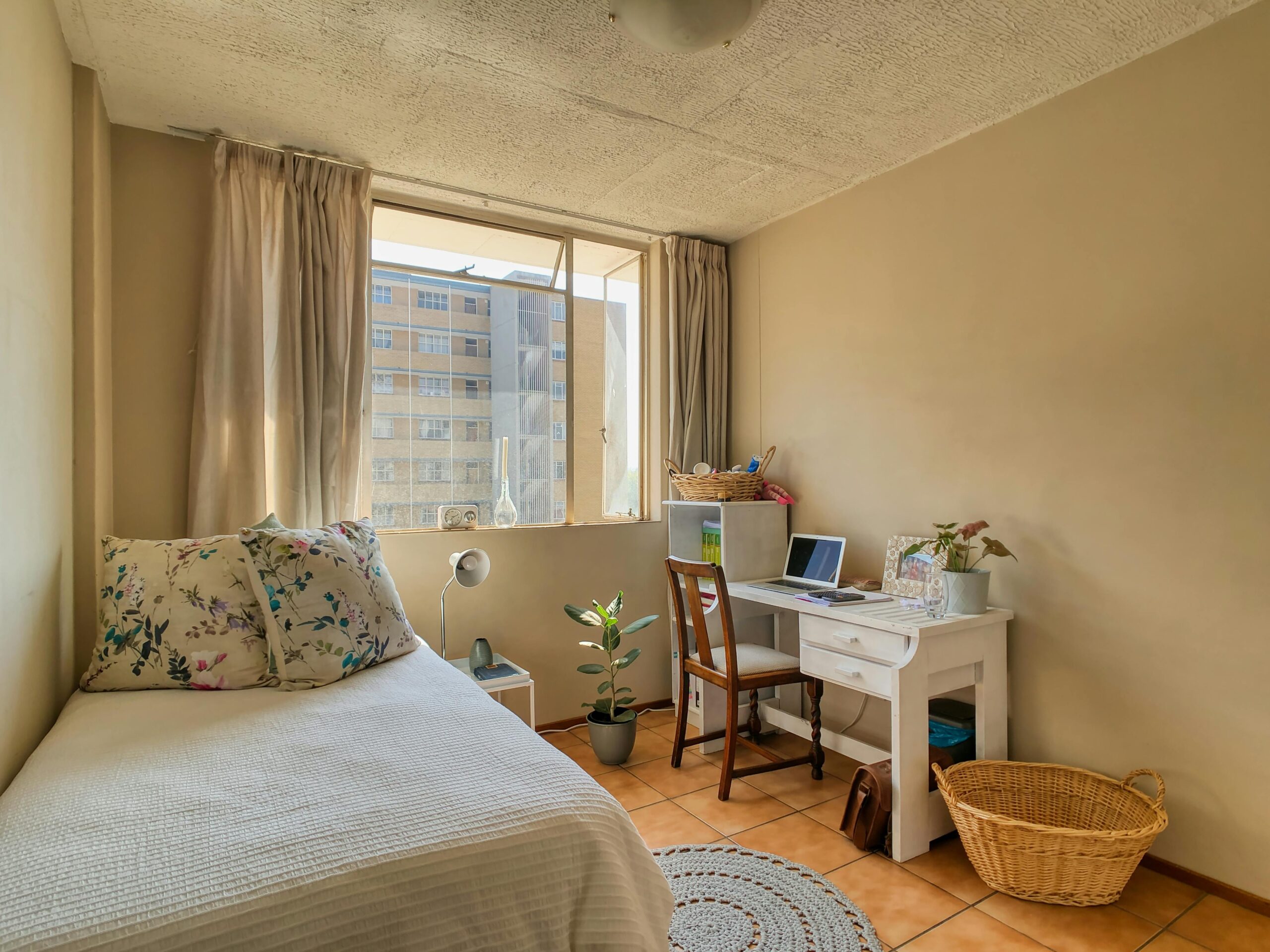
- The social advantage is real. Moving into a flat or corridor of people in the same situation as you is one of the fastest ways to make friends. Many lasting university friendships form in halls during freshers week.
- All-inclusive simplicity. Most halls bundle rent, utilities and internet, and often basic contents insurance, into a single weekly or termly payment. There’s no surprise energy bill in January.
- On-campus convenience. Being close to lectures, the library and campus facilities removes commuting during your first term when you’re already navigating a lot of new things.
- University support structures. Hall wardens, resident advisors and welfare teams are on-site. If you’re struggling (academically, mentally or practically), help is nearby.
- No need to find housemates first. You haven’t met anyone yet. Halls removes the chicken-and-egg problem of needing friends before you can rent together.
Important: Many universities guarantee halls for first-year students who apply before a deadline, check your university’s specific date. Missing it can mean losing that guarantee entirely.
The case for private accommodation
Private accommodation, either renting a house with others or living in purpose-built student accommodation (PBSA), becomes the standard from second year. But some students choose it from the start:
- Potentially cheaper, in lower-cost cities. A shared house in cities like Leeds, Sheffield or Nottingham can be cheaper than halls when split between housemates.
- More space and privacy. Private houses often offer larger bedrooms, proper shared living rooms and gardens, a different quality of life to a small halls room.
- Greater independence. You manage your own bills, cooking and household, valuable life skills that halls can delay developing.
- Can choose your housemates. If you’ve already made friends (through a pre-university Facebook group, for example), renting together from day one is an option.
- Purpose-built student accommodation (PBSA) offers a middle ground: private company-run blocks with en-suite rooms, round-the-clock security and sometimes a gym. These tend to be more expensive than both halls and private houses but offer premium facilities.
Hidden costs to watch out for
In halls
- Catered halls charge significantly more, work out your actual weekly food spend before assuming it’s worth it.
- Most halls charge for laundry separately (often paid through an app).
- Summer storage fees if you need to leave belongings during the holidays.
In private rentals
- Bills (gas, electricity, water, broadband): budget an extra £70 to £120/month per person.
- Council tax: a house where everyone is a full-time student is exempt, but you must apply for the exemption and handle it yourself.
- Tenancy deposit: up to 5 weeks’ rent (the cap in England), held until the end of your tenancy. Check it’s protected.
- Broadband setup costs and potential early termination fees.
- Rent over summer: a 51-week halls contract, or a house you haven’t given notice on, means paying for months you’re not there.
Halls vs private: who should choose what?
Choose halls if you...
Are starting university without knowing anyone, value convenience and a built-in social life, want to focus on settling in without managing bills, or feel anxious about the transition and want more support structures around you.
Consider private accommodation if you...
Already have a group of friends to live with, are a mature student or returning to study, want more space and independence from day one, or are studying in a city where private renting is cheaper and you’re confident handling the process.
Tips for securing the right accommodation
- Apply for halls as early as possible once you’ve accepted your offer, and before the guarantee deadline.
- Read the contract before signing anything, whether halls or private. Check notice periods, what’s included, and what happens if you want to leave early.
- For private rentals, use reputable platforms (Rightmove, Zoopla, SpareRoom) and be wary of landlords who ask for rent before you’ve signed a contract.
- Check that any deposit you pay a private landlord or PBSA provider is protected in a government-approved deposit protection scheme (such as TDS, DPS, or MyDeposits).
- Visit properties before committing where possible, photos can be misleading.
Further Reading
Once you’ve sorted your accommodation, explore our full Student Housing Guide for detailed advice on tenancy agreements, tenant rights, and living costs. Our Student Money Guide can help you budget for whichever option you choose.
Frequently asked questions
Are student halls cheaper than private accommodation?
It depends on the city and specific accommodation. University halls cost about £100 to £250 per week with bills included. Private houses can be cheaper (especially in lower-cost cities like Sheffield or Nottingham) but unless bills are included you must add £70 to £120 per person per month on top. In London, halls are often competitively priced compared to private rentals.
Should I live in student halls in my first year?
For most first-year students, halls are recommended. They provide an immediate social environment, all-inclusive bills, on-campus convenience and university support structures, all of which help with the transition to university life. The social advantage alone makes halls worthwhile for students who don't already know people at their university.
What bills are included in student halls?
Most UK university halls include electricity, heating, water and internet in the weekly or termly rent, and many add basic contents insurance. Some also include a meal plan or access to a dining hall (catered halls), though this costs extra. Always confirm what is included before signing your contract.
Can I live in private accommodation in my first year?
Yes, first-year students can choose private accommodation. This can suit mature students, those who already have a group of friends to live with, or students in cities where private renting is cheaper. But halls come with a built-in social life and less to sort out.
What is purpose-built student accommodation (PBSA)?
Purpose-built student accommodation (PBSA) is privately managed accommodation designed for students. It typically offers en-suite rooms, all-inclusive bills and communal areas. PBSA sits between university halls and traditional private rentals, often more expensive than both but offering premium facilities and social environments.
Sophie writes to people applying this year
Letters on applying to uni, starting it, and student finance. Miss the student finance deadline (usually in spring) and your first loan payment can land late.
You'll also get the Applying to Uni pack as a PDF. You need to be 13 or over. Unsubscribe any time. Privacy policy

Ask Megan a question
If this guide didn't cover the thing you came for, ask. If enough people ask the same thing, it becomes a guide.
Read us often? You can add UniSorted as a preferred source on Google.