
Accommodation Costs Explained
By Megan Ellis · Updated 13 October 2026
After freshers' week
The At-Uni pack is mostly about making the January loan payment last until April, and what to do if it doesn't.
Leave it unticked and you'll just get the PDF. The letters have no set schedule. You need to be 13 or over. Unsubscribe any time. Privacy policy
Understanding average UK student accommodation costs
Rent takes the largest chunk of your student budget. You need to know exactly what you will pay before you sign a contract.
Your maintenance loan may not cover your rent and your living costs. The maximum maintenance loan for a student living away from home outside London is £10,830 for the 2026/27 academic year. If your rent costs £6,756 over 12 months, you have £4,074 left for the year. That leaves you with £78 a week for food, travel, course materials and socialising. How much is left depends on your city: our Student Rent Reality Index runs the same sum for a room in 29 UK cities.
Maintenance loans drop into your bank account in three termly instalments, but private landlords often demand rent monthly.
You must bridge the gap between your income and your rent. Most students rely on part-time work, university bursaries, or family support.
Always calculate your exact shortfall before accepting a university place. Use our student budget calculator to map your expected loan against local rent prices.
Types of student housing and their price differences
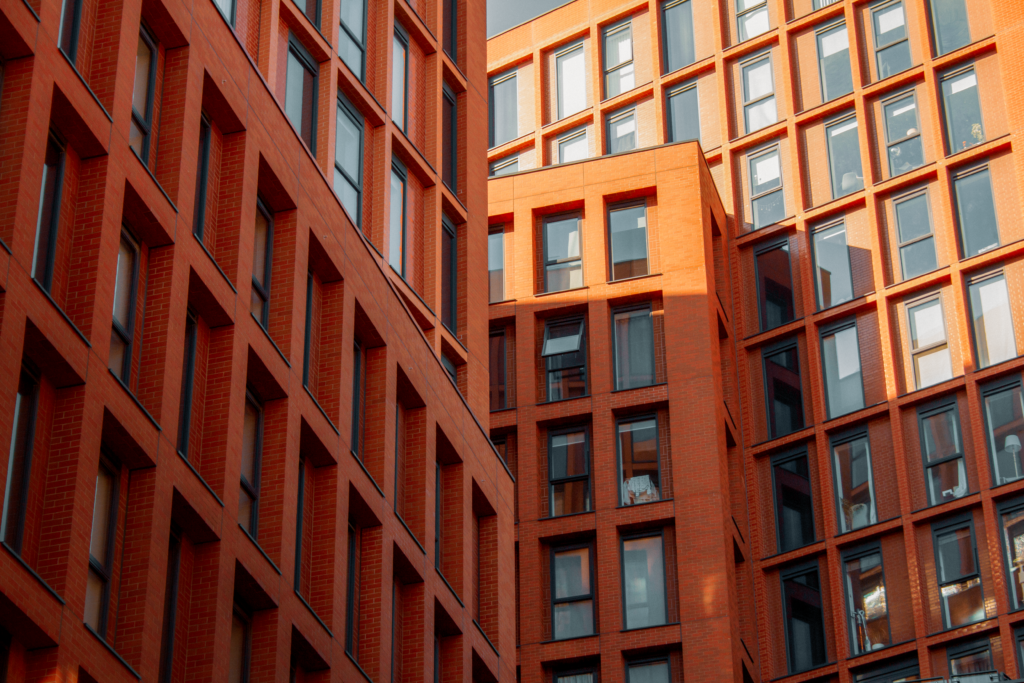
Where you live dictates how much you pay. Universities offer halls of residence for first-year students. Private companies run purpose-built student accommodation (PBSA). Private landlords rent out shared houses (HMOs).
University halls usually offer the simplest pricing. The university groups your rent, internet and basic utility bills into one weekly figure. Contracts typically last 40 to 44 weeks. You move out before the summer holidays, saving you two months of rent.
Private purpose-built student accommodation costs more. These buildings offer premium facilities like gyms, cinema rooms and 24-hour security. Unipol and HEPI data from 2024 shows average annual rents for PBSA in London reached £13,595. Contracts often span 46 to 51 weeks. You pay for the summer whether you stay there or not.
Shared private houses often offer the cheapest headline rent. You rent a bedroom in a standard residential house with three to six other students.
Private renting often undercuts halls on the monthly figure and lets you choose the street and the people, and you learn to run a household's bills, which is worth something. The trade is that you organise and pay for every utility yourself, you keep paying through the summer unless you've given two months' notice (the rule in England since May 2026), and most landlords will want a UK-based guarantor.
Compare the costs of each option carefully. A cheaper private house might cost more overall once you add winter heating bills and summer rent.
Hidden accommodation fees and upfront costs
Rent is only one part of your accommodation expenses. You must pay several upfront costs before your student loan arrives in September.
First, you may pay a holding deposit to reserve the property. In England the Tenant Fees Act 2019 caps this at one week of rent. With your agreement the landlord or letting agent puts it towards your first rent payment or your tenancy deposit.
Next, you pay a tenancy deposit. This protects the landlord against damage or unpaid rent. The same Act caps this at five weeks of rent. On a private tenancy the landlord must place this money in a government-approved deposit protection scheme within 30 days of receiving it.
Always take timestamped photos of your room on move-in day to protect your deposit when you leave.
You also need to budget for moving costs. Hiring a man with a van costs around £30 to £60 per hour. Buying basic kitchen equipment and bedding adds another £55 to £125 to your initial outlay.
If you choose a private shared house, you must pay utility bills. Energy prices fluctuate. A student house of four people can spend around £145 to £200 per month on gas and electricity at October 2026 prices. You also need broadband.
A household where everyone is a full-time student does not pay Council Tax. If you get a bill, apply to your council for the exemption. It may ask for a student certificate from your university. If you live with one non-student adult, the household gets a 25% discount and the non-student must pay the remaining 75%.
Regional variations in rent prices across the UK
Geography dictates your living costs more than any other factor. A student in Newcastle lives a different financial reality to a student in Bristol.
London remains the most expensive place to study. The government offers a higher maintenance loan of up to £14,135 for London students, but this rarely covers the inflated rent.
Scotland offers a mixed picture. Glasgow has been short of student rooms, and halls rents there have risen fast. However, Scottish students studying in Scotland pay no tuition fees, freeing up money for living costs.
The North of England consistently offers the cheapest student accommodation. The NatWest Student Living Index 2025 identified the North of England as having the lowest regional rent, averaging £530.27 a month. Cities like Lincoln, Bolton and Newcastle allow students to stretch their loans much further.
| Region | Average Monthly Rent (NatWest 2025) |
|---|---|
| London | £743 |
| South | £626 |
| Midlands | £561 |
| North | £530 |
Research local rent prices before you finalise your UCAS choices. A university in an expensive city might mean working long hours just to pay rent.
How to budget for your student rent
You must treat your student loan like a salary. When your termly instalment arrives, do not view it as disposable income.
Calculate your total income for the term. Add your maintenance loan, any university bursaries, parental contributions and expected wages from part-time work.
Next, calculate your fixed expenses for the term. This includes your rent, phone contract and any fixed utility bills. Subtract your fixed expenses from your total income. Divide the remaining number by the weeks in the term. This gives you your weekly disposable budget for food, transport and socialising.
Rent Affordability Calculator
See exactly how much rent you can afford based on your student loan
Open two bank accounts. Keep your main student account for your loan and rent payments. Set up a direct debit to transfer your weekly disposable budget into a second spending account. This ring-fences your rent money and stops you from accidentally spending it on a night out.
If you share bills in a private house, never put all the utilities in one person’s name. If your housemates refuse to pay, the energy company will chase the named account holder for the full debt. Use our bills splitter tool to divide costs fairly, or use a bill-splitting service that charges each housemate individually.
Managing utility bills and additional housing costs
Your rent is just the baseline. You must factor in the running costs of your student home. In university halls, the institution includes heating, water and internet in your rent. In private houses, you manage these yourself.
Gas and electricity require careful management. Older student houses often feature poor insulation and single-glazed windows. This makes them expensive to heat. Agree on heating rules with your housemates early in the year. Keep the thermostat between 18 and 20 degrees Celsius. Bleed your radiators in October to ensure they work efficiently.
Water bills come in two forms. Some houses have water meters, meaning you pay for exactly what you use. Others pay a fixed charge, often based on the property’s rateable value. You must register your names with the local water provider immediately upon moving in.
TV Licensing catches many students out. You need a TV Licence if you watch or record live television on any channel. You also need one to use BBC iPlayer on any device. A standard colour TV Licence costs £180 per year. If your parents have a TV Licence, it only covers you if your device is powered solely by its own internal batteries and not plugged into the mains.
Contents insurance protects your laptop, phone, and clothes against theft or fire. University halls often include basic cover, so check what it protects. If you rent privately, your things are only covered if you buy your own policy.
Financial support and what to do if you cannot pay
Sometimes budgets fail. An unexpected expense or a delay in your student loan can leave you short on rent.
Never ignore a rent problem. If your rent is more than 14 days late and your agreement allows it, the landlord can charge interest. The Tenant Fees Act caps this at 3% above the Bank of England base rate, but the debt will still grow.
Contact your landlord or letting agent immediately. Explain the situation and offer a realistic repayment plan.
Next, contact student services or the student union at your university and ask about the hardship fund. This usually provides non-repayable grants to students facing unexpected financial difficulties. You may need to show you have taken your full maintenance loan first. Keep your bank statements ready as evidence.
If you rent privately, check your tenancy agreement for a guarantor clause. If you fail to pay, the landlord will pursue your guarantor for the money. Warn your guarantor before the landlord contacts them.
For independent advice, speak to Citizens Advice or a housing charity like Shelter. They offer free legal guidance on eviction notices and rent arrears.
Frequently asked questions
How much is student accommodation in the UK?
The average student rent in the UK is £567 per month. However, prices vary wildly depending on your location and accommodation type. Students in London pay an average of £743 per month, while those in the North of England pay around £530.
Do you pay council tax as a student?
If everyone in the house is a full-time student, there is no Council Tax to pay. You must actively apply for a student exemption certificate from your university and provide it to your local council. If you live with one person who is not a full-time student, the household receives a 25% discount, but the non-student is liable for the bill.
Are bills included in student accommodation?
University halls of residence and private purpose-built student accommodation almost always include gas, electricity, water, and internet in the rent. Private shared houses usually do not include bills. You must set up and pay for these utilities separately with your housemates.
What happens if I cannot pay my student rent?
You must contact your landlord immediately to explain the situation and propose a repayment plan. Do not ignore the debt, as landlords can charge interest on rent more than 14 days late and eventually start eviction proceedings. You should also apply to your university’s hardship fund for emergency financial support.
While you're living on the loan
Jamie writes letters on student money, when there's something worth saying.
You'll also get the At-Uni pack as a PDF. You need to be 13 or over. Unsubscribe any time. Privacy policy

Ask Megan a question
If this guide didn't cover the thing you came for, ask. If enough people ask the same thing, it becomes a guide.
Read us often? You can add UniSorted as a preferred source on Google.