Clearing 2026 by the numbers: what your actual chances are
By Sophie Chen · Updated 15 August 2026

Most of the advice written for results day assumes you are about to be turned down. The numbers say otherwise. By 30 June this year, 333,460 UK 18-year-olds who applied on time were holding at least one offer, which is 99% of them. If you applied by the January deadline and you are reading this in a panic, the most likely outcome on Thursday 13 August is that your place is confirmed and the rest of this article is reassurance rather than rescue.
Universities made 1.3 million offers to UK 18-year-olds this cycle, up from 1.2 million last year, and a record 695,740 people applied in total across all ages and countries. There are more places and more offers in the system than there were twelve months ago. Worth holding onto before the headlines about scrambles and hotlines start.
Going through UCAS this year?
Get our free Applying to Uni Pack: Student Finance deadlines by UK nation, what the maintenance loan actually pays at every income band, and the discount stack worth about £600 a year. Twelve pages, every figure checked for 2026/27.
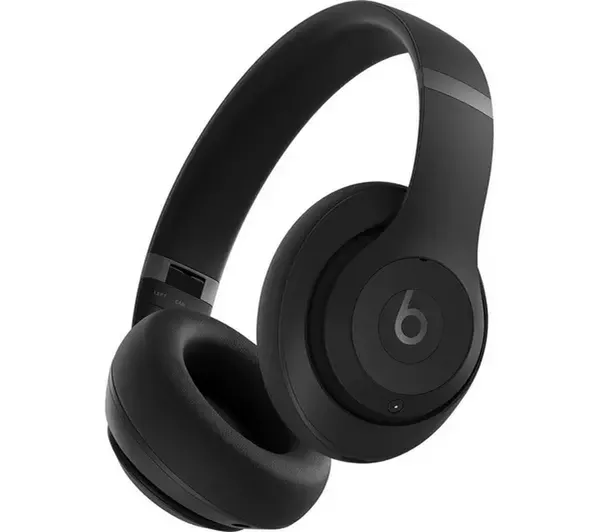
One email a week, unsubscribe whenever. Every signup goes into our draw for the Beats Studio Pro (£349, UK, 18+). Terms.
What happens if you hold an offer
Here is the figure no results-day guide leads with, and it is the one that matters most. Last August, 82% of offer-holders who got their decision that morning were placed at their firm choice, the same share as the year before. That is the university they had picked first, the place they most wanted. On results day 2025, 255,130 UK 18-year-olds were accepted in total, a record, at an entry rate of 32%.
The order of likelihood on the morning is your firm choice first, then your insurance, then everything else. Clearing is real and it works, but it is the third branch, not the default. If your grades land where they needed to, you may not have to do anything at all beyond checking your status.
Clearing, and why it is not a one-day scramble
If the firm and insurance routes do not come off, Clearing is how universities fill the places they have left, and there are a lot of them. UCAS lists more than 30,000 courses in Clearing and says more than 50,000 students find a place through it every year. It opened on 2 July and runs until 19 October. That last date is the one most people miss. Clearing is not a single frantic Thursday. It runs for over three months, and good courses still have vacancies well into September.
None of this is theoretical yet. I ran the UCAS Clearing search on the morning of 23 July, three weeks before a single result was out, and it returned 381 courses across all subjects, 150 of them in nursing alone. The list is already live. That number climbs into the tens of thousands on the day itself, so the version where you refresh an empty page at one minute past eight is not how it goes.
Every year the coverage makes Clearing look like a stampede that is over by lunchtime. It is not. The places are not confined to the courses nobody wanted, either. Last year engineering and technology placed 30,020 students on results day, up 12.5% on the year before, with maths sciences up 10.5% and law up 10.4%. Competitive subjects still had room. Ring the department you want, even if it feels like a long shot, before you settle for the first course that says yes.
The dates and how the day works
A-level results in England, Wales and Northern Ireland come out on Thursday 13 August 2026, and Scottish results through the SQA land earlier. You check whether your place is confirmed in your UCAS Hub, and you do not need to wait for the printed slip to know where you stand, though your school will have your grades from the morning. If your place is confirmed, that is the end of it. If it is not, and you find a course with a vacancy, you add it as a Clearing choice in your Hub once the university has offered you the place over the phone.

One practical thing worth doing before Thursday is writing down your UCAS ID, your Clearing number if you have one, and the grades you are holding, and keeping them next to you. The universities you call will ask for all three, and the calls that go well are the ones where you can answer without hunting for the paperwork.
So before you memorise the Clearing hotline numbers, check your Hub. For more than four in five people holding an offer, that is where the day ends.
The headline numbers are one half of the picture. For how much choice you will have in Clearing depends heavily on your subject, see which subjects have hundreds of universities and which have barely any.
Keep the application year from creeping up on you
One short email each Tuesday through the application year, and you can drop it in a click the moment it stops being useful. Mostly it is early warnings, like the maintenance-loan household-income form that opens quietly in the spring and closes on everyone who assumed it was automatic.
Every signup also enters our draw for the Beats Studio Pro (£349, UK, 18+). Terms.
Reviewed · Editorial standards

Ask Sophie a question
If this guide didn't cover the thing you came for, ask. If enough people ask the same thing, it becomes a guide.