
No University Offers? What To Do on Results Day 2026
By Sophie Chen · Updated 18 August 2026

No offers on results day is not the end of anything. It is the start of Clearing, and Clearing is bigger, slower and far more winnable than the panic makes it look.
You open UCAS Hub on results morning and there is no confirmed place. Breathe first. Your job in that moment is not to apply anywhere, it is to slow down for ten minutes and think. Thousands of people find a course this way every single year, and most of them do it calmly, often by lunchtime. The ones who struggle are usually the ones who started ringing universities before they knew what they actually wanted.
This guide walks the real steps, in order, with the 2026 dates, so you can plan the day rather than react to it. Missed your firm offer by a single grade? Start with our guide to what happens when you miss an offer by one grade first, because you may not be in Clearing at all yet.
Before you start uni
Most halls give you a bare mattress, so the packing list in our Applying to Uni pack starts with bedding. There's also a one-paragraph explainer on Plan 5 repayments.
Leave the box empty and you'll just get the PDF. Unsubscribe any time.
The two kinds of no offers
There are two versions of no offers, and they need different moves. In the first, you held offers and missed the grades, so both your firm and insurance choices have declined you. In the second, you never held an offer that stuck, or you are applying for the first time this late in the cycle. Both routes land you in the same place. That place is Clearing.
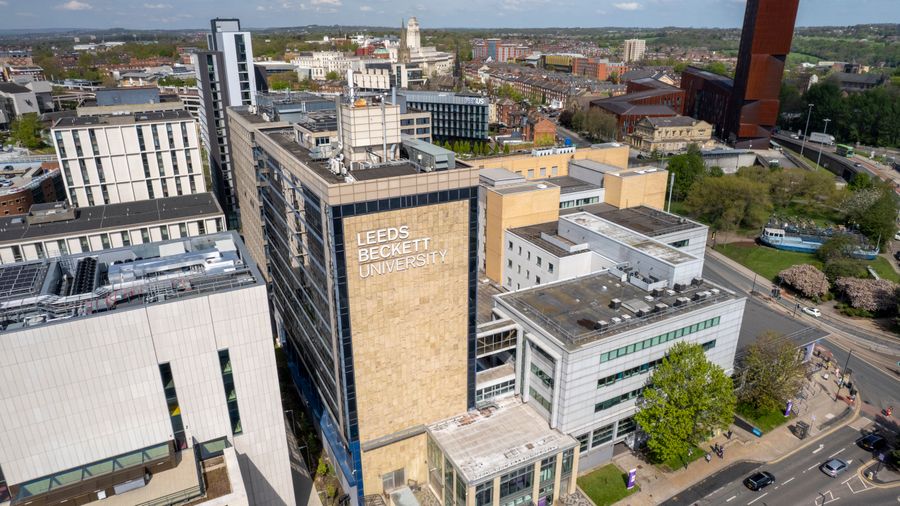
Clearing is how universities and colleges fill the places they have left, and there are more of them than you think. UCAS's Clearing search was live on 15 June, two months before results day, listing more than 30,000 courses. Good courses at well-known universities sit in Clearing every year, including places that open up only because someone ahead of you turned them down, changed their mind, or missed exactly the same grades you did. The idea that only the leftovers are left is wrong, and believing it costs people places every year.
Step one: check whether you are already in Clearing
A-level and BTEC results land on Thursday 13 August 2026; if you sat Scottish Highers your results day is earlier, Tuesday 4 August, and our Scottish results day guide sets out that timeline. Once results are released, your status updates on its own. Log in and look. If it says you are in Clearing, you are clear to start. If you still see a confirmed place you no longer want, do not cancel it in a hurry, because releasing yourself is a one-way door that you cannot undo.
Find your Clearing number and write it down. You will read it out on every single call. If you are waiting on a remark or an appeal instead, hold off until you know where you stand, and read our guide on whether to resit, reapply or take a Clearing place before you commit to anything.
Step two: build a shortlist before you ring anyone
Make a list before you pick up the phone. Aim for five to eight courses, ranked best to worst. Search by subject, then widen it, because a course called something slightly different, or a joint honours version, is often the one that says yes. Keep an open mind on the city. Check the entry requirements so you are not calling somewhere a full two grades out of reach.

For each course, note the phone number, the grades they want, and one honest reason you would actually go there. That last detail matters more than it sounds. You will be offered places quickly, sometimes within minutes, and a ranked list stops you saying yes to the first voice that is kind to you. If you would rather weigh a place against simply trying again, our guide to reapplying next year sets out the trade-off in full.
Step three: make the call, and know what to say
Now you ring them. Call the universities yourself. The person on the line will often ask about your results and your interest, and they want to hear it from you, not from a parent in the background. If a parent is helping you through the day, our results day guide for parents explains how to support without taking over the call. Have your Clearing number, your application number and your grades in front of you. Lines open early and get busy fast, so start with your top choice.

The moment a university offers you a place, your next job is somewhere to live, and rooms go quickly. Our guide to finding student accommodation through Clearing covers how to get sorted fast.
Keep it short. Give your name, say you are calling about Clearing, name the course, and read out your grades. They will either offer you a place there and then, ask a few questions, or say no. A no is fine. Thank them and move to the next name on your list. If they say yes, ask how long the offer stays open, because most give you hours rather than days to add it as your Clearing choice, and you can only hold one Clearing choice at a time. Do not add it to UCAS Hub until you are sure.
If you would rather not rush into anything
Clearing is not the only door, and a same-day decision is not compulsory. You could take a gap year and reapply next cycle with grades in hand, which makes for a much stronger application. You could look at a foundation year, which often accepts lower grades and feeds into the full degree. You could also step back and ask whether the course you applied for is still the one you want, and our guide to deferring or changing course covers exactly how that works.
The most common way this goes wrong is grabbing any place to dodge an awkward conversation, then dropping out in November. A place chosen under pressure, on a course you did not really want, in a city you did not really pick, to avoid a difficult afternoon, is the single biggest reason students quietly leave in their first term. A considered Clearing offer is good. No offer at all, for now, beats a panicked one.
Your results-day 2026 calendar
Knowing the dates takes most of the fear out of the day. A-level results day 2026 is Thursday 13 August, with results from early morning and Clearing choices able to be added from the afternoon. Scottish (SQA) results land earlier, on Tuesday 4 August. Clearing itself runs from 2 July to 19 October 2026. So even if results day goes sideways, you have weeks, not hours, to sort a place out.
The full picture, including grade boundaries and what to do the night before, sits in our results day and Clearing guide. Already hold an offer and just want the wording explained? Our explainer on how UCAS offers work is the place to start.
Frequently asked questions
Do I have to decide on results day?
No. Clearing runs from 2 July to 19 October 2026, so a place is available for weeks. Results day is the busiest day, not the only one. If you are unsure, take a night to think and call the next morning.
Can I get into a good university through Clearing?
Yes. Strong universities routinely have places in Clearing, often on courses that were simply less full this year. There were more than 30,000 courses listed when we checked in mid-June. Build a shortlist on merit and call your top choices first.
What do I say when I call?
Give your name, say you are calling about Clearing, name the course, and read out your grades and Clearing number. Keep it to a couple of sentences and let them ask the questions. They do this all day and will guide you through it.
What if I do not want any of the Clearing offers?
You do not have to take one. A gap year with a reapplication, or a foundation year, are both stronger long-term moves than accepting a place you will leave by Christmas. Weigh the offer against trying again next year before you commit.
Sophie writes to people applying this year
Mostly dates. Miss the student finance one (usually in May) and your first loan payment can land late.
You'll also get the Applying to Uni pack as a PDF. Unsubscribe any time.

Ask Sophie a question
If this guide didn't cover the thing you came for, ask. If enough people ask the same thing, it becomes a guide.
Read us often? You can add UniSorted as a preferred source on Google.