
First Aid Basics
By Tom Okafor · Updated 5 October 2026
Why first aid basics matter in student accommodation
Moving into a shared student house means taking responsibility for your own safety and the safety of your housemates. You no longer have parents or guardians nearby to patch up cuts, assess a head injury, or decide if a burn needs urgent medical attention. Accidents happen frequently in unfamiliar environments with new appliances and multiple people sharing a small space.
According to St John Ambulance (2024), 49% of people would feel panicked if they came across a health emergency because they lack basic training. Knowing how to react calmly saves lives and prevents minor injuries from becoming severe infections. You need to know how to stop a bleed, cool a burn and put someone in the recovery position.
Do not assume your landlord provides medical supplies. While landlords must meet fire safety regulations and provide working smoke alarms, providing a first aid kit is entirely your responsibility. Discuss safety with your housemates during the first week of term. Ensure everyone knows the exact address of the property, including the postcode. The 999 call handler will ask where you are. Save your full address in your phone notes so you can read it out under pressure.
Essential items for your first aid basics kit
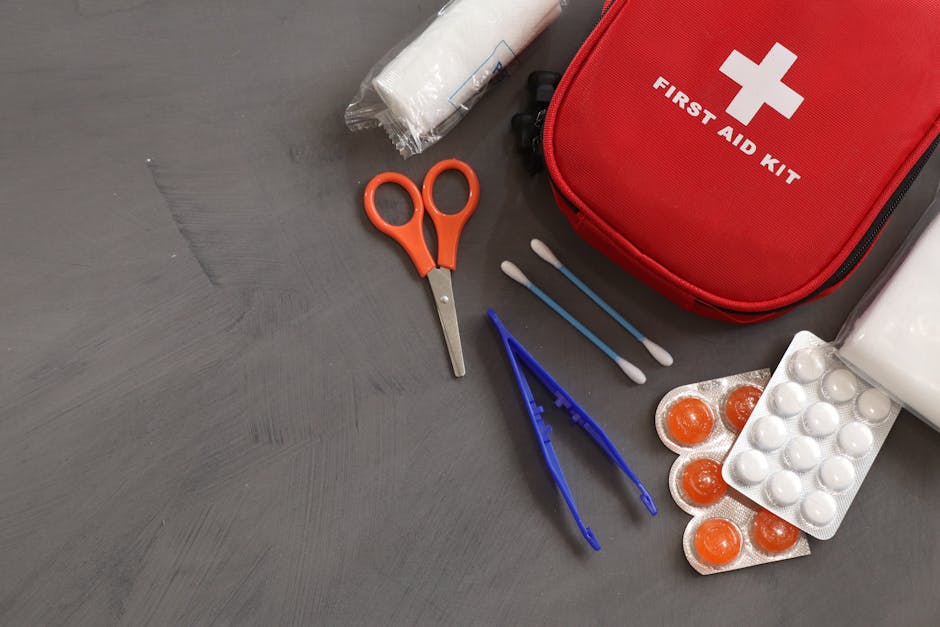
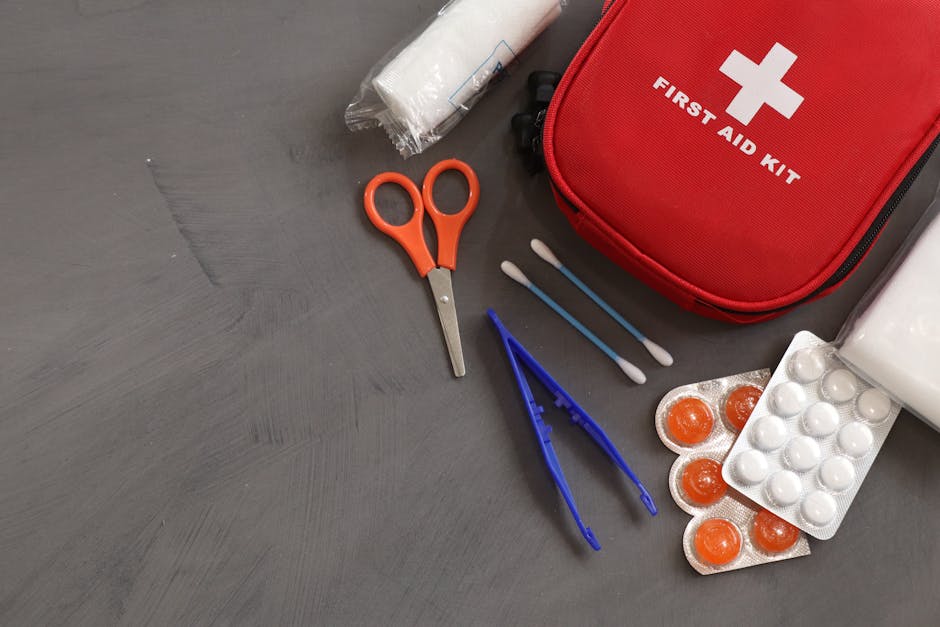
Every student house needs a dedicated medical kit. Store it in a communal area like the kitchen or hallway. Never hide it in someone’s private bedroom or lock it in a cupboard. If an accident happens at 3 AM, you cannot waste time knocking on doors or searching for keys to find plasters.
Build your own kit rather than buying a pre-made one. Pre-made kits often contain cheap, ineffective plasters and lack the specific items students actually need. Buy high-quality fabric plasters in various sizes, sterile gauze pads and micropore medical tape from a pharmacy.
Check the expiry dates on sterile items and ointments at the start of every academic year.
You should include antiseptic wipes to clean wounds before dressing them. Buy a digital thermometer to check for fevers, as guessing your temperature by touching your forehead is highly inaccurate. Add a roll of cling film for covering a burn once it has cooled, and hydrocolloid blister plasters for nights out. Include a pair of blunt-ended scissors to cut clothing or bandages without stabbing the patient. Buy a box of disposable nitrile gloves to protect yourself from bloodborne pathogens when treating a housemate.
Applying first aid basics to common kitchen injuries
Student kitchens are crowded, messy and filled with hazards. You will likely deal with knife slips, boiling water spills and dropped glasses. Treating these injuries quickly reduces pain, limits scarring and prevents infection.
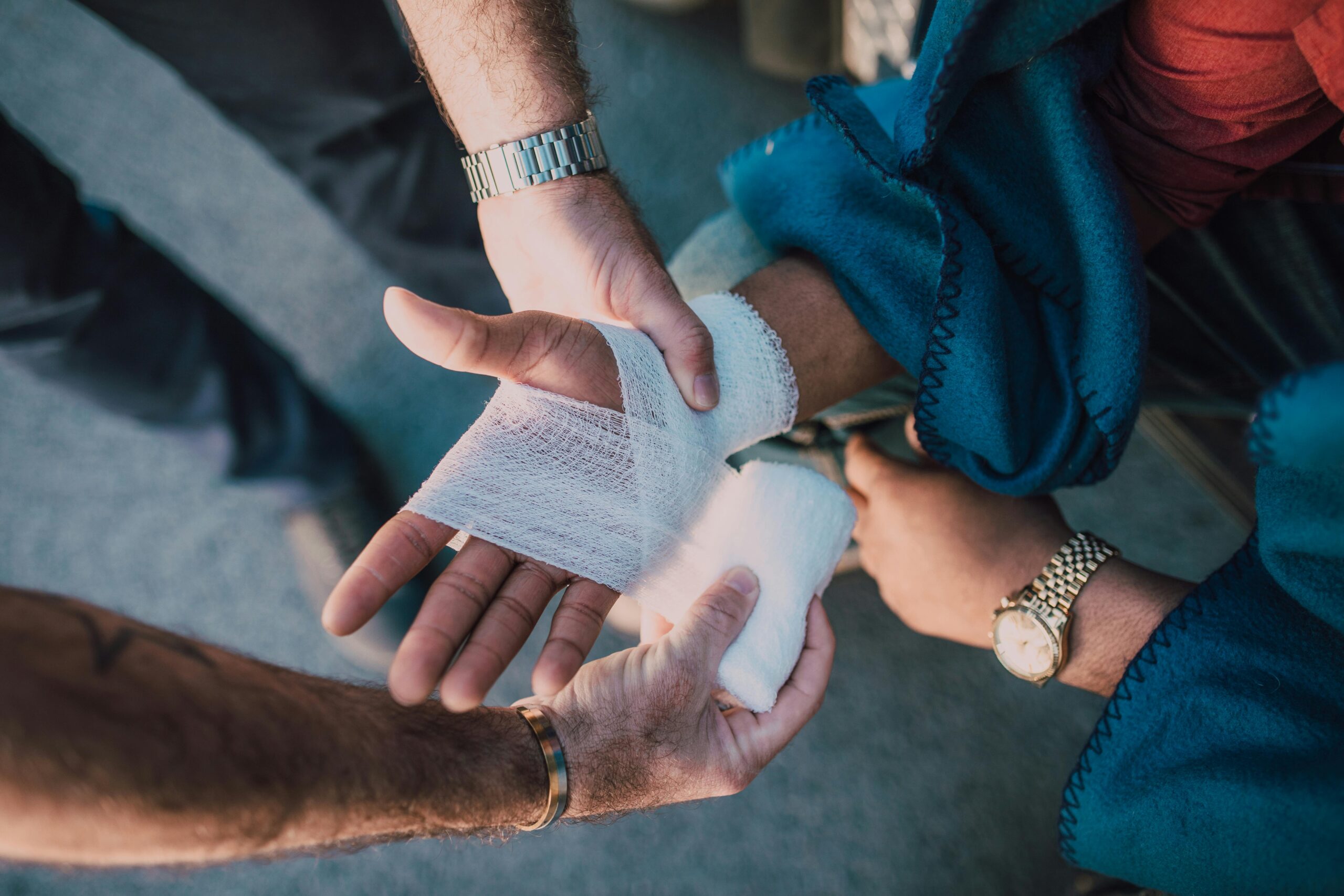
When someone cuts themselves, wash your hands immediately and put on disposable gloves. Apply direct pressure to the wound using a clean, lint-free cloth or sterile gauze. Elevate the injured area above the heart to slow the bleeding. If blood comes through the cloth, the NHS advice is to put another one on top and keep pressing. Call 999 or go to A&E if you cannot stop the bleeding.
For burns, act immediately. Hold the burn under cool running water for a full 20 minutes. Never use ice, iced water, creams, gels, or greasy substances like butter. They can damage the skin and raise the risk of infection. Remove any clothing or jewellery near the burnt area unless it is stuck to the skin. Once it has cooled, cover the burn with cling film to prevent infection. Lay the cling film over the burn rather than wrapping it tightly, as the area will swell.
Call 999 or go to A&E if a burn is very large or deep, if it is on the face, genitals, or bottom, or if it was caused by a chemical or electricity. If you are not sure how serious it is, call 111.
If a housemate slips on a wet floor and twists their ankle, use the RICE method. Rest the injured limb. Ice the area using a cold pack wrapped in a towel for up to 20 minutes. Compress the joint with a supportive bandage. Elevate the limb on a pillow to reduce swelling.
First aid basics for alcohol-related emergencies
Nights out often result in trips, falls and overconsumption. You must know how to care for an intoxicated housemate. Never leave a heavily intoxicated person alone to sleep it off on their back. They risk vomiting and choking on their own sick. Do not attempt to sober them up with black coffee or cold showers, as caffeine dehydrates them further and the shock of cold water can cause a dangerous drop in body temperature.
Place an unconscious but breathing person in the recovery position. Kneel beside them. Straighten their legs. Place the arm nearest to you at a right angle to their body with the palm facing up. Bring their other arm across their chest and hold the back of their hand against the cheek nearest to you. With your other hand, pull their far knee up until the foot is flat on the floor. Pull on the bent knee to roll them towards you onto their side. Tilt their head back gently to keep the airway open. Then call 999. The NHS says to do that for anyone who has lost consciousness after drinking.
If you suspect someone has been spiked, stay with them at all times. Symptoms include confusion, nausea, loss of balance, hallucinations, and lowered inhibitions. Prevent them from drinking any more alcohol or taking any other substances. Keep them talking and monitor their breathing continuously. Call 111 for medical help, or 999 if their condition worsens or they lose consciousness. Read more about staying safe on nights out in our student life section.
First aid basics: when to call 999 vs 111
Knowing which service to contact prevents you from wasting vital time or overwhelming emergency departments. The NHS provides clear guidelines on when to use each service. Making the wrong choice can delay treatment for your housemate or take resources away from someone in cardiac arrest.
Use 111 for non-life-threatening concerns. Call 111 or use the online service if you need medical help fast but it is not an emergency. They will ask a series of questions about the patient’s symptoms, age, and medical history. Based on your answers, they can direct you to an out-of-hours GP, an urgent treatment centre, or a late-night pharmacy. They can sometimes book an appointment or arrival time for you, or send an ambulance if you need one. Calling 111 works in England, Scotland, and Wales, but the online service covers England only. In Northern Ireland, nidirect says to use the Phone First service where your health trust offers it.
Call 999 immediately for life-threatening emergencies. This includes cardiac arrest, severe bleeding that will not stop, stroke symptoms, breathing difficulties, or severe allergic reactions.
| Symptom / Situation | Correct Service | Action Required |
|---|---|---|
| Minor burn, small cut, or sprain | Self-care / Pharmacy | Clean wound, apply dressing, rest. |
| Unexplained rash, persistent fever, mild head injury | NHS 111 | Call 111 for advice. Call 999 instead for a rash that does not fade when you press it, or a head injury where they were knocked out, cannot stay awake, or have a fit. |
| Cut that may need stitches, suspected broken bone | NHS 111 or an urgent treatment centre | Call 111 first if you are unsure. Go to A&E or call 999 if the cut is very large or deep, the bleeding will not stop, the bone is showing, or the limb is at an odd angle. |
| Unconsciousness, severe chest pain, heavy bleeding | 999 | Call immediately, follow operator instructions. |
When you call 999, the operator will ask which service you need. Ask for the ambulance service. Speak clearly and give your exact location. The operator will ask questions to assess the patient’s condition. Do not hang up until they tell you to do so. They will give you instructions on how to help the patient while the ambulance is on its way, such as guiding you through CPR.
Fire safety and first aid basics in shared houses
Electrical fires and smoke inhalation pose severe risks in student properties. Overloaded plug sockets, unattended cooking, and faulty appliances cause most house fires. Prevention is the best form of first aid. Never daisy-chain extension leads and always switch off hair straighteners before leaving your room.
If a fire starts, get out immediately. Do not try to tackle it yourself. Warn your housemates by shouting as you leave. Close doors behind you to slow the spread of smoke and fire. Call 999 as soon as you are safely outside.
Treat smoke inhalation seriously. Signs include coughing and difficulty breathing. Move the person to fresh air, but do not go back into the smoke to reach them. Call 999 and say you suspect smoke inhalation, even if they seem to be recovering.
Test your smoke alarms and carbon monoxide detectors at least once a month. Ask your landlord to replace faulty alarms immediately, as outlined in our student housing guide.
If a housemate suffers an electric shock, do not touch them if they are still in contact with the electrical source. Turn off the power at the mains immediately. If you cannot reach the mains, push the person away from the source using a dry, non-conductive object like a wooden broom handle. Once they are clear of the current, check their breathing and call 999.
Where to learn first aid basics for free
Reading an article gives you a foundation, but practical training builds muscle memory. In a high-stress situation, you will rely on the physical practice of chest compressions or applying a bandage. Many organisations offer free or heavily discounted courses for students.
Check your university students’ union. Many unions run free first aid sessions during freshers’ week or as part of society training. Sports clubs often require a trained first aider and will pay for your certification if you volunteer for the role. This gives you a highly valuable skill for your CV while protecting your teammates.
St John Ambulance provides excellent free resources. They offer short online videos covering CPR, choking, and severe bleeds. In England they also run free first aid awareness sessions for community groups. More than 20 universities have a student-led St John first aid society. In Wales, Scotland, and Northern Ireland, try St John Ambulance Cymru, St Andrew’s First Aid, or St John Ambulance Northern Ireland. St John Ambulance has withdrawn its public first aid app and says to delete any old copy, so use the advice pages on its website instead.
The British Red Cross offers a free first aid app that works offline, with quizzes and simple guides. Keep it on your home screen so you can open it quickly.
Frequently asked questions
What should a student first aid kit contain?
A student first aid kit should include fabric plasters, sterile gauze pads, micropore tape, and antiseptic wipes. You also need a digital thermometer, cling film for burns, hydrocolloid blister plasters, and blunt-ended scissors. Avoid pre-made kits as they often contain low-quality items. Instead build your own from a local pharmacy.
How do you treat a minor burn from cooking?
Hold the burn under cool running water for 20 minutes as soon as you can. Do not apply ice, creams, or butter. Once cooled, cover the burn loosely with cling film to prevent infection and call 111 if you are not sure how serious it is.
When should I call 999 instead of 111?
Call 999 for life-threatening emergencies such as severe bleeding, difficulty breathing, chest pain, or unconsciousness. Call 111 for urgent medical advice when the situation is not life-threatening, such as a persistent fever, a minor head injury, or an unexplained rash. The 111 operators can assess your symptoms and direct you to the right service.
How do I put someone in the recovery position?
Kneel beside the person, straighten their legs, and place the arm nearest to you at a right angle. Bring their other arm across their chest, holding the back of their hand against the cheek nearest to you. Pull their far knee up, roll them towards you onto their side, and gently tilt their head back to keep their airway open. Then call 999.
Jamie writes to people already at uni
When your loan comes in, and what's due before it does. House deposits are the usual one.
You'll also get the At Uni pack as a PDF. Unsubscribe any time.

Ask Tom a question
If this guide didn't cover the thing you came for, ask. If enough people ask the same thing, it becomes a guide.
Read us often? You can add UniSorted as a preferred source on Google.