
Independent Living Preparation
By Megan Ellis · Updated 11 October 2026
After freshers' week
The At-Uni pack is mostly about making the January loan payment last until April, and what to do if it doesn't.
Leave it unticked and you'll just get the PDF. The letters have no set schedule. You need to be 13 or over. Unsubscribe any time. Privacy policy
Financial setup
Managing your own money presents the biggest challenge when moving away from home. According to HEPI (2026), 65% of full-time undergraduates now work during term time to make ends meet. You must build a watertight financial system before you arrive.
Sort your student finance early. If you apply late on gov.uk/student-finance, you might get less money than you expected at the start of your course. Open a student bank account with a 0% arranged overdraft. Do not treat this overdraft as free money. Use it strictly as a safety net for delayed loan payments. Build a good credit score by paying your phone contract on time every month. A poor credit history can count against you when renting private houses in your second year.
Create a realistic weekly budget. Factor in your rent, phone bill, groceries and travel. Use a dedicated app or spreadsheet to track every penny. Review your spending at the end of every week to identify where you waste money. Start applying for part-time jobs in August.
Essential documents
You need physical and digital copies of specific documents to rent houses, prove your student status and apply for jobs. Do not rely on your parents to post these to you when an emergency strikes.
Buy a durable folder for your physical paperwork. Scan every document and save the files to a secure cloud storage account. Keep your National Insurance number memorised. You need it for job applications and student finance queries. Employers will usually ask to see your passport to prove your right to work in the UK.
Losing your passport or driving licence costs time and money to replace, so store them in a locked drawer.
Keep your university acceptance letter accessible. Some banks accept this letter as proof of study in place of a UCAS status code. Keep a record of your student finance customer reference number.
Sorting housing
Moving into student halls or a private rental requires immediate action to protect your deposit and secure your living environment. Take photos of every room on the day you move in. Document any existing damage, marks on the walls, or broken furniture. Email these photos to your landlord or accommodation manager immediately. This creates a paper trail that helps stop landlords charging you for pre-existing damage when you move out.
If you live in a private house, you must organise your utilities. Do not ignore letters addressed to “The Occupier”. Contact the energy and water suppliers to set up accounts in your names. Agree on a system with your housemates to divide these costs fairly. Read the meter on your first day and submit the readings to your energy provider. Failing to do this means you could be billed for the gas and electricity used by the previous tenants.
Check whether you need a TV licence to watch live TV or BBC iPlayer on your laptop in halls.
Buy a basic contents insurance policy. University halls often provide basic cover, so check whether it protects expensive laptops or bicycles. Review our student housing section before signing any tenancy agreements.
Basic cooking skills
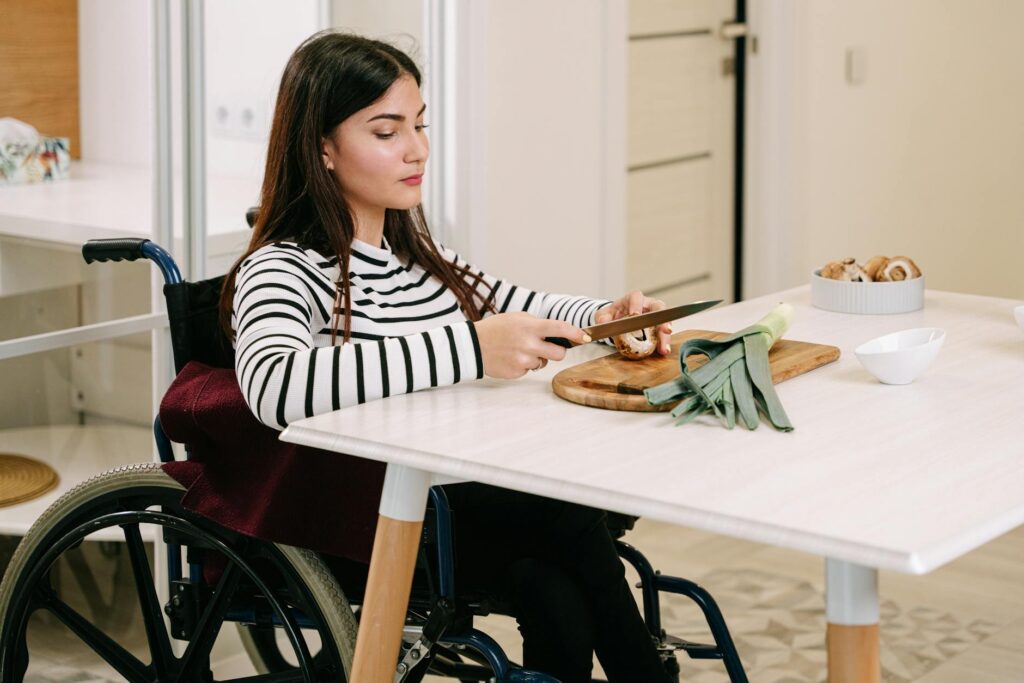
Relying on meal deals and food delivery apps will destroy your budget. You must learn basic cooking skills before you leave home. Start by mastering a few versatile recipes that you can cook in bulk and freeze.
Batch cooking saves time and reduces waste. Invest in good quality plastic containers. Plan your meals before you go to the supermarket to avoid impulse purchases. Never go grocery shopping when you feel hungry.
Understand the difference between ‘use by’ and ‘best before’ dates. Eating food past its ‘use by’ date could make you ill. Food past its ‘best before’ date is usually safe to eat but might lose texture or flavour. Learn how to store meat safely at the bottom of the fridge to prevent cross-contamination. Wash your chopping boards immediately after preparing raw chicken.
| Meal Type | Rough Cost Per Portion | Time Required | Health/Nutrition Value |
|---|---|---|---|
| Batch-cooked pasta bake | £0.80 | 45 mins (yields 4) | High |
| Supermarket meal deal | £3.50 | 5 mins | Medium |
| Frozen ready meal | £2.50 | 10 mins | Low |
| App food delivery | £12.00 | 30 mins | Varies |
Managing your healthcare
Your health becomes your sole responsibility at university. You must register with a local General Practitioner (GP) immediately. Do not wait until you fall ill. Find out which pharmacy stays open late in your new city.
Pack a well-stocked first aid kit. Include painkillers, cold and flu medication, plasters and a thermometer. If you take prescription medication, ensure you have a sufficient supply to last until your new GP registration completes.
Check your vaccination history before you arrive. Students face a higher risk of contracting meningitis and mumps due to close living conditions. Ask your current doctor if you need the MenACWY vaccine. Staying healthy also means managing your stress levels. Find out where the student wellbeing services are located on your campus.
Frequently asked questions
How much money do I need for independent living at university?
You need to cover your rent, bills, food, and social life. The average monthly student rent is £567 (NatWest SLI 2025), and total living costs often exceed £1,000 a month. Compare your maintenance loan against these costs to see if you need a part-time job.
How should I split bills with housemates?
Use a dedicated bill-splitting app. Agree on the payment dates and amounts before the first bills arrive. Keep all communication about money in a shared group chat for transparency.
Do students pay council tax?
A household where everyone is a full-time student does not pay council tax. If you get a bill, apply for the exemption through your council with a student certificate from your university. If you live with one non-student adult, the household gets a bill with a 25% discount.
What should I do if my student loan is delayed?
Contact your university hardship fund or student union advice centre immediately. Some universities offer short-term emergency loans to bridge the gap. Do not take out high-interest payday loans to cover your living costs.
While you're living on the loan
Jamie writes letters on student money, when there's something worth saying.
You'll also get the At-Uni pack as a PDF. You need to be 13 or over. Unsubscribe any time. Privacy policy

Ask Megan a question
If this guide didn't cover the thing you came for, ask. If enough people ask the same thing, it becomes a guide.
Read us often? You can add UniSorted as a preferred source on Google.