
Disability Support DSA Guide
By Alex Sheridan · Updated 2 October 2026

Disabled Students' Allowance (DSA) is worth up to £27,783 a year in England for 2025/26 and 2026/27. It is not means-tested, you never repay it, and it is paid on top of your maintenance loan to cover study costs caused by a disability, long-term health condition or mental health condition.
After freshers' week
The At Uni pack is mostly about making the January loan payment last until April, and what to do if it doesn't.
Leave the box empty and you'll just get the PDF. Unsubscribe any time.
What does DSA cover?
Disabled Students' Allowance provides non-repayable financial support to cover study-related costs arising from a mental health problem, long-term illness or disability. You do not repay this funding; it sits entirely separate from your standard tuition fee and maintenance loans; the support targets specific academic barriers rather than general living costs.
The allowance pays for specialist equipment you need to access your coursework; this includes laptops with assistive software, dictaphones for recording lectures or ergonomic desk chairs; you must pay the first £200 towards any new computer recommended by your assessor. The government covers the remaining balance for the approved device.

DSA also funds non-medical helpers. You can receive funding for a British Sign Language interpreter, a specialist note-taker or a study skills tutor, and mental health mentors provide weekly sessions to help you manage anxiety, plan your workload and handle the social pressures of university life. These mentors do not provide subject-specific academic tutoring, but they ensure you have the coping strategies required to submit your assignments on time. You cannot use this funding to pay friends or family members for help.
You can claim back extra travel costs incurred due to your disability. If your condition prevents you from using public transport, DSA covers the difference between standard public transport fares and the cost of a taxi to campus. Keep every receipt, because you claim these costs back after you have paid them.
The allowance covers general disability-related study support. You can claim for printing additional copies of documents for proofreading or buying specialist braille stationery. DSA does not pay for standard course textbooks that every student must buy. It only covers costs directly resulting from your disability.
How much is DSA in 2026/27?
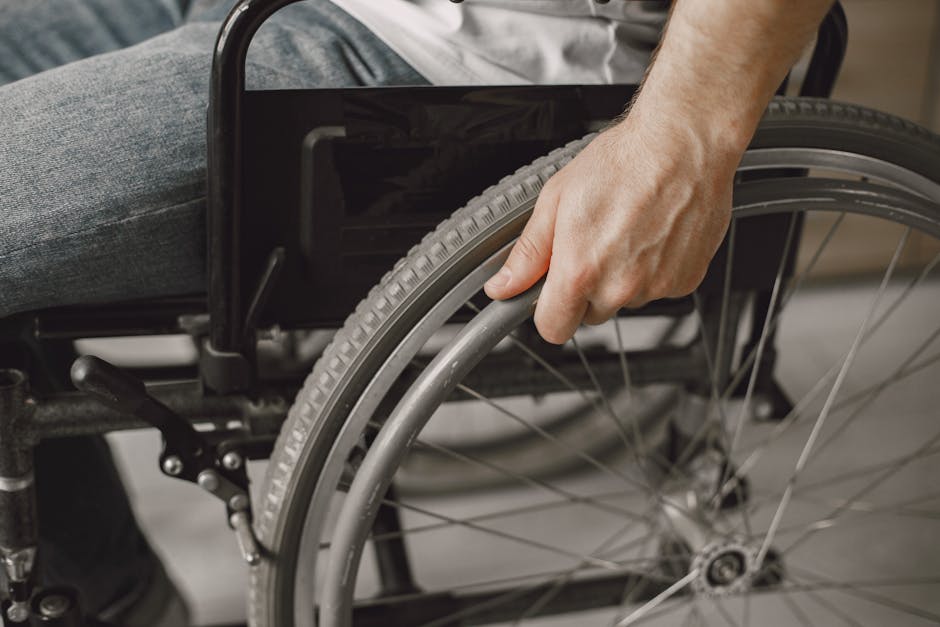
DSA in England is worth up to £27,783 a year for both 2025/26 and 2026/27. It is a single allowance, it is not linked to your household income, and it does not reduce your maintenance loan.
The amount of funding you receive depends entirely on your individual needs rather than your household income. Assessors calculate your allowance based on the specific support required to put you on an equal footing with other students. You will rarely receive the absolute maximum amount available.
Funding limits vary depending on where you normally live before starting university. Student Finance England caps the total annual support at £27,783 for both the 2025/26 and 2026/27 academic years. This single allowance covers equipment, non-medical helpers and general costs. Travel costs sit outside this cap.
There is no separate "general allowance" figure to look up in England any more. Older guides listed distinct pots for specialist equipment, non-medical helpers and general costs, but England now rolls them into the single £27,783 cap. Your needs assessor decides how it splits across what you need, and disability-related travel sits outside the cap.
Part-time students get the same maximum of £27,783 a year, as long as they study at least 25% of a full-time course. Postgraduate students in England get the same maximum as undergraduates.
Students from other UK nations face different funding structures. Student Finance Wales offers the highest single cap in the UK. Student Finance Northern Ireland provides a slightly lower maximum allowance.
| UK Nation | Maximum Annual DSA Allowance (2026/27) |
|---|---|
| England | Up to £27,783 |
| Wales | Up to £34,671 |
| Northern Ireland | Up to £27,500 |
| Scotland | Separate limits per category |
Scottish students apply through the Student Awards Agency Scotland. Scotland does not use a single overall cap. Instead, SAAS runs separate allowances: up to £20,520 a year for non-medical personal help, plus separate allowances for equipment and software and for consumable items. SAAS publishes the current limits for those, so check its DSA pages before you budget.
Receiving DSA does not reduce your standard maintenance loan or interfere with personal disability benefits like Personal Independence Payment.
Who is eligible for DSA?
To qualify, you need to be an undergraduate or postgraduate student applying for a course that lasts at least one year. Part-time students also qualify if the course takes no more than four times as long as the full-time version and they study at least 25% of a full-time course.
Your condition must meet the definition of a disability under the Equality Act 2010. This means you have a physical or mental impairment that has a substantial and long-term negative effect on your ability to do normal daily activities. Long-term means the condition has lasted or will last for at least 12 months.
Eligible conditions fall into five main categories. You can apply if you have a specific learning difficulty like dyslexia, dyspraxia or ADHD. Mental health conditions count too, such as clinical depression, severe anxiety or an eating disorder. Physical disabilities, sensory impairments and long-term health conditions also qualify, as long as they affect your ability to study and you can provide the evidence.
Can you get DSA for ADHD, anxiety or depression?
Yes. ADHD, dyslexia and other specific learning difficulties qualify, and so do mental health conditions such as clinical depression, severe anxiety, OCD and eating disorders, as long as the effect on your studies is substantial and long-term. The difference is the evidence: a specific learning difficulty needs a diagnostic assessment from a registered psychologist or specialist teacher, while a mental health condition needs a letter from a doctor or specialist confirming the diagnosis and how it affects you. A standard GP note that only lists your condition is not enough on its own.
Long-term health conditions make you eligible for support. Students with epilepsy, chronic fatigue syndrome, arthritis or diabetes can claim DSA if their condition affects their academic work. If you have a fluctuating condition like chronic fatigue syndrome, you must explain how it affects you on your worst days. Assessors base your support on your maximum level of need. Do not describe your condition based on how you feel on a good day, as this will severely limit the equipment and mentoring you receive.
International students generally cannot claim this allowance. You must be eligible for both a Tuition Fee Loan and a Maintenance Loan, even if you do not take them out. If you receive an NHS bursary or a social work bursary, you apply for disability support through your specific bursary provider rather than standard student finance.
How do you apply for DSA?
Student finance tells you within four weeks whether you are eligible, and getting the support in place can take up to 14 weeks. You should start your application as soon as student finance opens in the spring. You do not need a confirmed university place to begin the paperwork.
Submit your main student finance application
Log into your online student finance account to start the process. The DSA application should appear on your to-do list. If it does not, select ‘change your circumstances’ to apply.
If you do not need a tuition fee or maintenance loan, you can apply for DSA as a standalone product. You must download a physical DSA1 form from the government website, fill it out by hand and post it to your regional student finance body. You can read more about getting ready for higher education in our preparing for university hub.
There is no fixed deadline for DSA in England, but the rules say you must apply as soon as is reasonably practicable. Apply early so the support is in place before your first coursework deadlines.
Gather your medical or diagnostic evidence
You must prove your condition with formal documentation. A standard doctor’s note will not suffice. You need a written statement or a completed Disability Evidence Form from a qualified medical professional. This document must state clearly how your condition impacts your daily life and education.
Students with specific learning difficulties need a diagnostic assessment. A specialist teacher or a registered psychologist must carry out this assessment. You must pay for this assessment yourself. The government does not reimburse the cost of obtaining medical evidence.
You can find a registered specialist teacher through the SpLD Assessment Standards Committee network. Alternatively, contact your university disability team before you arrive. Many universities offer discounted diagnostic assessments for incoming students or provide hardship funds to cover the assessment costs.
Keep photocopies of all your documents. You will need to show these exact same papers to your needs assessor later in the process. Storing digital copies on your phone ensures you never lose them during the transition to university.
Complete the DSA application form
Fill out every section of the DSA1 form accurately. Double-check your contact details and National Insurance number. Mistakes on this form cause significant delays in processing your support.
Attach your medical evidence to the application. If you apply online, you can upload scanned copies or clear photographs of your documents. If you apply by post, send physical photocopies rather than your original diagnostic reports.
Send postal applications via tracked delivery so you can confirm receipt.
What happens after you apply?
Once student finance approves your initial application, they will send you an eligibility letter. This letter means a supplier will be in touch to arrange your study needs assessment. You do not need to do anything until it arrives.
Book and attend your study needs assessment
After your eligibility letter arrives, a supplier (in England, either Study Tech or Capita) contacts you to arrange an informal meeting about your requirements. You do not need to contact them first. This meeting is not a test and you cannot fail it. The assessor will ask about the specific challenges you face when studying, then demonstrate assistive software, discuss ergonomic furniture and talk through the human support options that might realistically fit around your course and your condition.
Be completely honest about your struggles. Downplaying your difficulties at this stage, whether out of habit or because you do not want to make a fuss, is one of the most common reasons students walk away with support that does not actually cover what they need.
The assessment can take place in person or via video call. Choose the format that makes you most comfortable. The assessor writes a detailed report after the meeting, outlining exactly what equipment and support you need. They send this report to student finance for final approval.
Read your DSA entitlement letter
Student finance reviews the assessor’s report and sends you a DSA Entitlement Letter. This is the most important document in the entire process. It lists exactly what support the government will fund, how much it costs and which suppliers you must use.
Read this letter carefully. It breaks down your £200 contribution if you need a new laptop. It also explains your allowance for printing, travel and non-medical helpers. Keep this letter safe as you need it to set up your supplier accounts.
Order your specialist equipment and support
Study Tech or Capita will contact you to sort out your equipment and any training. Your Entitlement Letter tells you if you need to contact any other supplier yourself. Do not buy a laptop from a high street shop expecting a refund. The government only pays approved suppliers directly.
When you contact the equipment supplier, they will ask for a copy of your Entitlement Letter and your £200 contribution. Once paid, they deliver the equipment to your university accommodation or home address. An engineer usually sets up the equipment and provides training on the specialist software.
The equipment supplier will also schedule software training sessions. Do not skip these sessions. Assistive technology like screen readers, mind-mapping tools and speech-to-text software have steep learning curves. Taking the time to learn these programs before your first assignment is due will save you hours of frustration later in the term.
For travel expenses and consumable items, you must pay upfront and claim the money back. Download the Claim DSA Expenses form, attach your receipts and send it to student finance.
For more independent advice on funding your studies and managing your wellbeing, explore the resources available across unisorted.co.uk.
Frequently asked questions
Do I have to pay back Disabled Students Allowance?
No, you never have to repay any funding received through this scheme. It is a non-repayable grant rather than a loan. It does not add to your total student debt or affect your future graduate repayments.
Can I get DSA for ADHD or dyslexia?
Yes, specific learning difficulties and neurodivergent conditions fully qualify for support. You must provide a formal diagnostic assessment from a registered psychologist or specialist teacher, because a standard GP letter that only names the condition will not meet the evidence requirements student finance sets for these specific conditions. That distinction catches a lot of applicants out.
Does DSA affect my Personal Independence Payment?
Claiming university disability support has absolutely no impact on your PIP or any other welfare benefits. The government assesses these payments entirely separately. You can receive the maximum university allowance while continuing to claim your full PIP entitlement.
Can I buy my own laptop and claim the money back?
No. Never buy equipment before your official entitlement letter arrives, because the government will not reimburse hardware bought from high street retailers, and you must order your computer only through the specific approved supplier named in your paperwork.
Can I get DSA for anxiety or depression?
Yes. Mental health conditions such as clinical depression, severe anxiety, OCD and eating disorders qualify when they have a substantial, long-term effect on your studies. You need a letter from a doctor or specialist that confirms the diagnosis and explains how it affects your day-to-day study, rather than a note that only names the condition.
How much is the DSA general allowance?
England no longer has a separate general allowance. It is one allowance now, up to £27,783 a year, and your needs assessor decides the split.
How long does DSA take to come through?
Allow up to 14 weeks from applying to having your support in place, so apply as soon as student finance opens in the spring. You do not need a confirmed university place to start, and you should wait for your entitlement letter before ordering any equipment.
Jamie writes to people already at uni
When your loan comes in, and what's due before it does. House deposits are the usual one.
You'll also get the At Uni pack as a PDF. Unsubscribe any time.
Ask Alex a question
If this guide didn't cover the thing you came for, ask. If enough people ask the same thing, it becomes a guide.
Read us often? You can add UniSorted as a preferred source on Google.