
Mental Health at University
By Alex Sheridan · Updated 3 October 2026
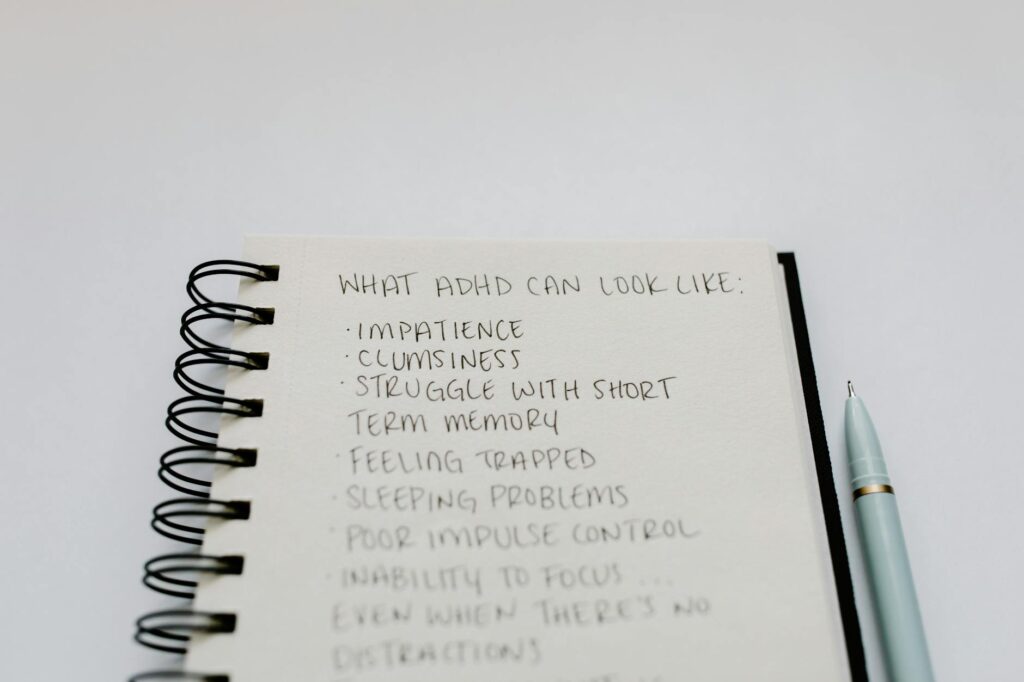
Signs you need mental health support at university
University life combines intense academic pressure with major life transitions. Identifying when you are struggling is the first step to getting help. Do not wait until you reach a crisis point before reaching out for professional support.
Look out for persistent changes in your mood, sleep patterns, or appetite. If you find yourself skipping lectures, isolating yourself from flatmates, or losing interest in your course, these are strong indicators that your mental health is declining. Normal stress usually passes once a deadline is over, and a mental health condition persists and affects multiple areas of your life.
Physical symptoms often accompany psychological distress. Unexplained headaches, constant fatigue, or a racing heart can all stem from anxiety or chronic stress. Students often mistake these symptoms for fresher’s flu or general tiredness. If these physical signs do not ease, or they interfere with your daily routine, you need to speak to a medical professional.
Burnout is another common issue. This manifests as extreme emotional exhaustion and a feeling of detachment from your degree. If you stare at your laptop for hours without absorbing any information, your brain is signalling that it needs a break. Recognising these signs early allows you to access support before your grades suffer.
Accessing university mental health services and counselling

Most UK universities have a dedicated student wellbeing or mental health service. These departments offer free, confidential support tailored specifically to students. You do not usually need a formal medical diagnosis to use them.
Start by checking your university student portal for the wellbeing team contact details. Most require you to fill out a short online self-referral form. You will need to outline your current symptoms and how they affect your studies. Once submitted, a triage practitioner will assess your needs and recommend the best course of action.
University counselling services usually offer short term therapy with a limited number of sessions. If you need long term support, ask the triage team to refer you to the NHS or specialist local charities.
Services vary by institution but generally include one-to-one counselling, cognitive behavioural therapy workshops, and peer support groups. Wellbeing advisors can also help you build practical coping strategies for exam anxiety or perfectionism.
Lots of universities also pay for Togetherall, an anonymous online community that's open day and night and free if your uni is signed up. You join with your university email address. If speaking to someone face to face feels like too much right now, it's an easier first step.
NHS mental health support for university students

University services work alongside the NHS, rather than replacing it. To access NHS mental health treatment, you must be registered with a local doctor. Do this as soon as you move into your student accommodation. Do not wait until you are unwell to fill out the registration forms.
If you move between your university address and your home address, you can register as a temporary resident at your home GP during the holidays to ensure continuous access to your prescriptions.
Your GP is your primary gateway to NHS mental health care. Book an appointment and explain your symptoms clearly. Write down what you want to say beforehand if you feel anxious. The doctor can prescribe medication, such as antidepressants, or refer you to NHS Talking Therapies. In England, you can self-refer to NHS Talking Therapies online without seeing a GP first.
Wait times for NHS therapy can be lengthy, sometimes stretching to several months. Ask your GP what support is available while you wait. They might suggest local community groups, online courses, or social prescribing services to help you manage your symptoms in the interim.
If you are prescribed medication in England, each item costs £9.90, and that adds up. Look into applying for an NHS HC2 certificate. This certificate provides full help with health costs, including free NHS prescriptions, for students with a low income. You can apply online, or on a paper HC1 form from a Jobcentre Plus office or NHS hospital.
Managing academic stress and applying for mitigating circumstances
Academic pressure is a major trigger for poor mental health. If a mental health condition or a sudden crisis prevents you from completing an assignment or sitting an exam, you can usually apply for mitigating circumstances. Some universities call this extenuating circumstances or special considerations.
This process allows your university to make allowances for your situation. Outcomes can include deadline extensions, the opportunity to retake an exam without a grade penalty, or adjusting how your final degree classification is calculated.
Apply before your assessment deadline if you can. Most universities ask for evidence to support your claim. This usually means a letter from your GP, a counsellor, or your university wellbeing team confirming your situation and how it impacts your studies. A late claim should still be considered if you had a good reason for missing the deadline, such as being in hospital.
If you are struggling to keep up with your workload, speak to your personal tutor or academic advisor immediately. They can help you prioritise tasks and adjust your study plan. They can also explain the process for taking a temporary leave of absence. Taking a year out to recover is a valid choice and need not harm your career prospects.
Financial support for students with mental health conditions
Money worries directly impact mental health. If you have a diagnosed, long term mental health condition, you can apply for Disabled Students’ Allowance. This applies to conditions like clinical depression, severe anxiety, bipolar disorder, or eating disorders.
Disabled Students’ Allowance is a non-repayable grant that covers the extra study-related costs you incur due to your condition. It does not depend on your household income and does not affect your standard maintenance loan.
| Support Type | What it covers | Example |
|---|---|---|
| Specialist equipment | Hardware or software to help you study | A computer, if you need one because of your condition |
| Non-medical helpers | Professionals who assist your learning | Specialist mental health mentors |
| Other study support | Other disability-related study costs | Printing extra copies of documents for proof-reading |
| Travel allowance | Additional travel costs | Taxis to campus if public transport causes severe anxiety |
To apply, you must prove your condition affects your ability to study and has lasted, or is expected to last, for at least 12 months. You will need a letter or report from your doctor or another medical professional. Apply through your student finance body early. The entire process, including the mandatory needs assessment, can take up to 14 weeks.
If general money worries are causing you stress, review your incomings and outgoings. Understanding your budget reduces financial anxiety significantly.
Helplines and urgent mental health resources for students
If you or a friend are in immediate danger, call 999 or go to your nearest A&E department. Mental health emergencies are medical emergencies. Hospital staff are trained to keep you safe and connect you with the psychiatric liaison team.
For urgent help that isn't a 999 situation, the number depends on where you are. In England, ring 111 and choose the mental health option, where you may be able to speak to a trained mental health professional. In Wales it's 111 then option 2, 24/7. In Scotland, NHS 24 on 111 has a mental health option, and Breathing Space (0800 83 85 87) picks up weekday evenings from 6pm to 2am and all weekend from Friday 6pm to Monday 6am. In Northern Ireland, ring Lifeline on 0808 808 8000, 24/7.
Several charities offer free, confidential listening services for students. Calling these lines does not mean you are taking up space from someone else. If you are struggling, you deserve support.
- Samaritans: Available 24/7 for anyone struggling to cope. Call 116 123 for free.
- Shout: A free, confidential, 24/7 text messaging support service. Text ‘SHOUT’ to 85258.
We used to list Papyrus's HOPELINE247 here. The charity went into administration on 7 September 2026 and the line no longer connects, so if it's saved in your phone, swap it for Samaritans or Shout. Our emergency help page has the rest, including abuse, money and housing lines, all checked in September 2026.
Save these numbers in your phone right now. You never know when you or a flatmate might need them. Building a strong support network is a vital part of university life.
If you are supporting a friend through a mental health crisis, remember to look after your own wellbeing too. You can call the Samaritans or use your university wellbeing service to talk about the impact of supporting someone else.
A lot of this is easier if the admin is already done. If you have not started yet, our guide to preparing your mental health before university covers registering with a GP, transferring prescriptions and applying for DSA before freshers week.
Frequently asked questions
Can I get kicked out of university for bad mental health?
Universities must not exclude you because of a mental health condition that counts as a disability under the Equality Act 2010, which applies in England, Wales, and Scotland. If your behaviour puts yourself or others at risk, or you consistently fail to engage with your course, they may initiate a fitness to study procedure. This process aims to support you, and it might include recommending a temporary suspension of your studies until you are well enough to return.
Do I have to tell my university about my mental health condition?
You are not legally required to disclose your mental health condition to your university. Declaring it on your UCAS application or to the wellbeing team ensures you can access support, such as reasonable adjustments and Disabled Students’ Allowance. What you declare is shared on a need-to-know basis, and that can include academic staff and your personal tutor.
Are university counselling services free?
Yes, most UK universities provide free counselling and wellbeing services to their enrolled students. Because these services are free and in high demand, you may face a waiting list for regular therapy sessions. If you need immediate help, many universities triage urgent cases first.
Can my parents find out if I use university mental health services?
University wellbeing services are confidential. Staff will not normally tell your parents, guardians, or even your academic tutors that you are getting support unless you agree. The exception is when they are seriously concerned about your safety or mental health, in which case they may get in touch with your designated emergency contact or the emergency services.
Jamie writes to people already at uni
When your loan comes in, and what's due before it does. House deposits are the usual one.
You'll also get the At Uni pack as a PDF. Unsubscribe any time.

Ask Alex a question
If this guide didn't cover the thing you came for, ask. If enough people ask the same thing, it becomes a guide.
Read us often? You can add UniSorted as a preferred source on Google.