
Nightlife and Safety
By Alex Sheridan · Updated 3 October 2026

After freshers' week
The At-Uni pack is mostly about making the January loan payment last until April, and what to do if it doesn't.
Leave it unticked and you'll just get the PDF. The letters have no set schedule. You need to be 13 or over. Unsubscribe any time. Privacy policy
Planning your night out: student nightlife safety tips
Always charge your phone to 100 percent before you leave your accommodation. Turn on low power mode immediately if you know you will be out late. Download personal safety apps like Hollie Guard. This app turns your smartphone into an advanced personal safety device. A simple shake or tap activates a high-pitched alarm. It also automatically sends your GPS location to your designated emergency contacts.
Eat a heavy meal rich in carbohydrates before you start drinking. Pasta, pizza or rice slow down the absorption of alcohol into your bloodstream. Drinking on an empty stomach leads to rapid intoxication and ruins your night out before midnight.
Set up a WhatsApp group with your flatmates for nights out. Share your live location in this chat before you head to the club. This ensures someone always knows where you are if you separate from the group.
Agree on a budget before you buy any drinks. You can use our bills splitter tool to divide the cost of supermarket spirits fairly. Leave your physical debit card at home and rely on Apple Pay or Google Wallet. This prevents you from losing your card in a crowded venue. Bring a physical ID like a provisional driving licence. Never take your passport to a nightclub. Replacing a lost passport costs £102 and usually takes up to three weeks.
Understanding drink spiking and nightlife safety in the UK
Spiking involves adding drugs or extra alcohol to someone’s drink without their consent. It is a serious criminal offence carrying a maximum sentence of ten years in prison.
Most students associate spiking with illegal drugs like GHB or Rohypnol. However, adding double measures of vodka to a friend’s drink as a joke also counts as spiking. National police data for 2022/23 shows 80 percent of spiking incidents happened in public spaces. Bars and nightclubs were the most common locations.
Needle spiking involves injecting someone with drugs using a syringe. If you notice a puncture wound and feel unwell, seek medical help immediately.
Never leave your drink unattended on a table or ledge. Take it with you to the toilet or ask a trusted friend to hold it. Buy anti-spiking scrunchies or bottle stoppers. These place a physical barrier over your glass, making it much harder for someone to slip a pill inside.
Look out for sudden changes in your friends. Symptoms of spiking include lowered inhibitions, loss of balance, visual problems, confusion, nausea and unconsciousness. If a friend suddenly appears disproportionately drunk compared to what they have consumed, assume they have been spiked.
Never rely completely on self-testing spiking kits, as they cannot detect all drugs or extra alcohol added to your drink.
If you suspect a spiking incident, alert a member of bar staff or a bouncer immediately. Do not let the affected person leave the venue with someone you do not know. Call an ambulance if their condition deteriorates. Report the incident to the police as soon as possible. Drugs pass through the human body quickly. Early forensic testing provides the best chance of securing evidence.
How the ask for angela scheme improves nightlife safety
The Ask for Angela campaign operates in licensed venues across the UK. It provides a discreet way for patrons to signal they feel unsafe. You walk up to the bar and ask to speak to Angela. Staff should recognise this code word and help you leave the situation safely. They might escort you to a staff room, call you a taxi or alert venue security.
Many bartenders have not been trained on the code word. A 2024 undercover investigation by the BBC found that staff in 13 out of 25 London venues failed to respond appropriately to the phrase. You must have a backup plan.
Look for Ask for Angela posters in the venue toilets. These posters indicate the management has theoretically trained their staff on the protocol. They do not guarantee that the person serving you has had the training.
If the bartender looks confused when you ask for Angela, drop the code word. State that you are being harassed and need security. Do not worry about causing a scene. Your physical safety matters more than social politeness. If venue staff refuse to help, lock yourself in a toilet cubicle and call 999.
Getting home: university safe taxi schemes explained
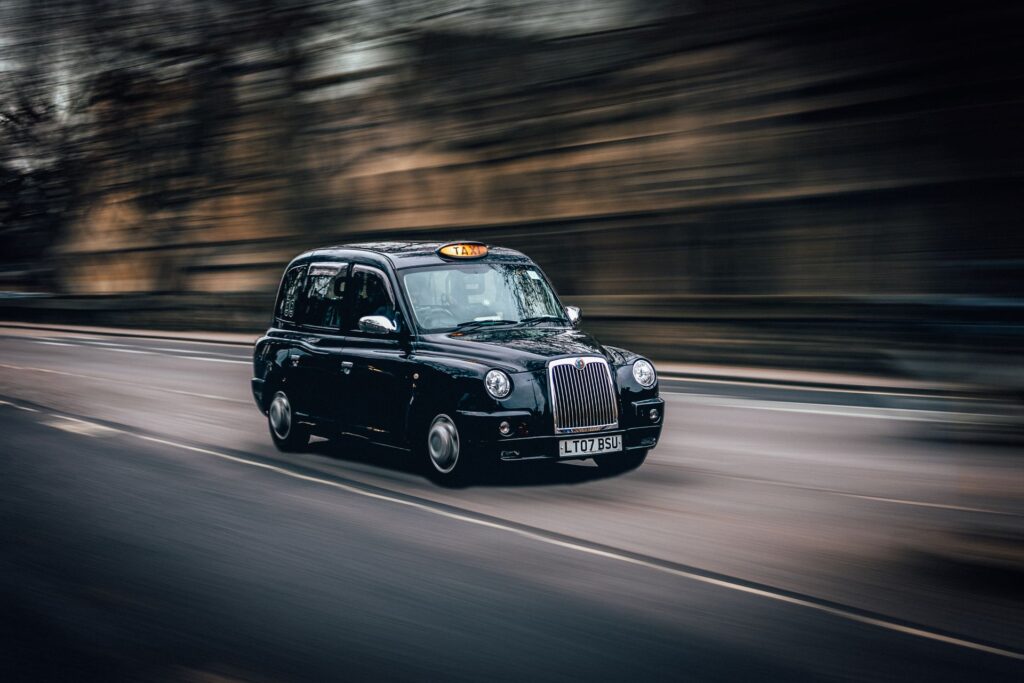
Running out of money on a night out leaves you vulnerable. Many Students’ Unions run Safe Taxi Schemes to ensure you never have to walk home alone in the dark. These initiatives allow you to take a licensed taxi home and pay the fare days later.
You must use the specific taxi firm partnered with your university. For example, Aberdeen students use Rainbow City Taxis, while Leeds University students use Veezu. You call the designated number and state you need to use the student safe ride scheme.
Memorise your student ID number. Some schemes ask for it over the phone.
Always verify the taxi before you get in. Check the registration plate matches the one on your booking app or text message. Ask the driver who they are collecting. Never tell them your name first. A minicab you have not booked is illegal and unsafe.
How you settle up depends on the scheme. At the University of Aberdeen the driver keeps your student card, and you get it back from the students’ association once you have repaid the fare in cash. At Leeds you give the operator your student ID number and Leeds University Union covers the fare up front. At Glasgow Caledonian the students’ association gets in touch afterwards to arrange repayment.
Fares are strictly capped to prevent misuse. Glasgow Caledonian University caps journeys at £20. Aberdeen universities cap them at £25. This service exists for genuine emergencies. Do not use it just because you spent your taxi money on a kebab.
You must repay the Students’ Union promptly. Unpaid fares get chased, and the Aberdeen scheme warns that misuse could end in a misconduct case.
| Feature | Standard Taxi | SU Safe Taxi Scheme |
|---|---|---|
| Payment method | Cash, card or app | Student ID number or card |
| When you pay | End of the journey | Afterwards, to the Students’ Union |
| Best used for | Routine travel and planned nights out | Emergencies when you have no money to get home |
| Spending limit | None | Capped, often at £20 to £30 |
Walking home safely after a night out
Walking home alone after a night out increases your risk of becoming a target for street crime. Always stick to well-lit main roads with CCTV coverage. Avoid cutting through parks, alleyways or unlit industrial estates to save five minutes.
The time saved never justifies the increased risk of walking through unlit areas.
If you must walk home, walk with a group of friends. Keep your phone out of sight. Displaying an expensive smartphone late at night attracts thieves on bicycles or mopeds. If you need to check directions, step into a brightly lit shop or stand with your back against a wall so nobody can approach you from behind.
Do not wear noise-cancelling headphones while walking in the dark. You need to hear approaching footsteps or vehicles. Keep your keys in your pocket, not at the bottom of a cluttered bag. You want to unlock your front door immediately upon arrival without standing on the street searching for them.
If you suspect someone is following you, cross the street. If they cross too, run to the nearest open business, takeaway or petrol station and call the police. Never walk directly to your own house if you are being followed. This shows the person exactly where you live and compromises your long-term safety.
Nightline and campus security resources for students
Nights out often amplify existing mental health struggles. Alcohol is a depressant. It can turn a minor disagreement into a major crisis. If you or a friend feel overwhelmed after a night out, you have access to dedicated student support networks.
Nightline is a confidential listening service run by students for students. Most run overnight during term time, though the exact hours vary by uni. The volunteers do not offer advice, diagnose conditions or judge your choices. They listen to whatever is on your mind. Not every uni has one, so check online and put the number in your phone if yours does.
Save your campus security phone number in your contacts right now. Many security teams run 24/7 and can send someone to you on campus.
Download the SafeZone app if your university supports it. This app connects you directly to the university security team. Pressing the emergency button sends your exact GPS coordinates to the control room. It works in the areas your university has set, usually the campus and sometimes the routes to nearby accommodation. The app also includes a check-in feature for studying late in the library. You set a timer for your study session, and if you do not check out when the timer expires, the app automatically alerts security to check on your welfare.
Balancing nightlife with your budget and degree
Frequent nights out drain your bank account rapidly. The average pint in the UK costs over £4. You need to track your spending to avoid running out of loan money before the term ends. Buying rounds of drinks for friends will destroy your weekly budget in a single night. Buy your own drinks and avoid peer pressure to spend money you do not have.
Review your finances every Sunday. Check your banking app to see exactly what you spent over the weekend. If you consistently overspend, suggest alternative social activities to your friends. Host a games night, organise a movie marathon or cook a meal together. You do not need to spend £50 in a nightclub to build strong friendships at university.
Your behaviour on nights out also impacts your future. Universities enforce strict codes of conduct both on and off campus. Getting involved in a physical altercation can result in suspension or expulsion from your course. A criminal record can show up on background checks. This can severely limit your options when you explore our graduate careers guide and apply for professional roles. Drink responsibly and walk away from aggressive situations.
Frequently asked questions
What to do if drink is spiked?
Tell a member of staff or security immediately and do not let the affected person leave with a stranger. Call an ambulance if their condition worsens. Report the incident to the police quickly, as drugs leave the system rapidly and early testing is required for evidence.
How does student safe taxi scheme work?
You call a partnered taxi firm and state you need to use the student safe ride scheme. You give your student ID details, or in some schemes hand over your card, instead of paying. The Students’ Union covers the fare and you repay it afterwards.
Does Ask for Angela work?
The scheme successfully helps many people leave unsafe situations, but its effectiveness depends heavily on staff training. Some bartenders may not recognise the code word. Have a backup plan and explicitly ask for security if staff seem confused.
Are drink spiking test kits accurate?
You should never rely entirely on self-testing kits for your safety. They cannot detect all types of drugs and will not show if extra alcohol has been added to your drink. They can provide a false sense of security, so always monitor your drink physically instead.
While you're living on the loan
Jamie writes letters on student money, when there's something worth saying.
You'll also get the At-Uni pack as a PDF. You need to be 13 or over. Unsubscribe any time. Privacy policy

Ask Alex a question
If this guide didn't cover the thing you came for, ask. If enough people ask the same thing, it becomes a guide.
Read us often? You can add UniSorted as a preferred source on Google.