
Not financial advice. This guide is for general information only. UniSorted.uk is not a regulated financial adviser. If you need personalised advice, speak to a qualified professional via MoneyHelper. See our editorial policy and affiliate disclosure.
Cheapest Supermarkets for Students UK: Where to Save the Most in 2026
10 min read Article Updated 2026-04-09

Not financial advice. This guide is for general information only. UniSorted is not a regulated financial adviser. If you need personalised advice, speak to a qualified professional via MoneyHelper. See our editorial policy and affiliate disclosure.
Key Takeaways
- Aldi is the cheapest supermarket in the UK, costing around 13% less than the Big Four on a typical basket.
- Lidl is a close second, only about £1 more than Aldi on a 95-item shop.
- Asda is the cheapest of the traditional “Big Four” supermarkets, beating Tesco, Sainsbury’s, and Morrisons.
- Co-op offers a permanent 10% student discount, making it the best option for quick campus top-ups.
- Loyalty cards (Clubcard, Nectar, Lidl Plus) can save you 5-15% on every shop. Sign up for all of them.
How We Compared Prices
The price data in this guide comes from Which?’s monthly supermarket price tracker, which compares over 200 branded and own-label products across every major UK supermarket. The March 2026 data covers a basket of 95 everyday items that a typical household would buy. We have added student-specific context: proximity to campuses, delivery options, loyalty schemes, and the practical reality of shopping without a car.
Supermarket Price Comparison Table
| Supermarket | 95-Item Basket | vs Aldi | Loyalty Scheme | Student Perk |
|---|---|---|---|---|
| Aldi | £171.32 | — | None | Lowest prices |
| Lidl | £172.31 | +£0.99 | Lidl Plus app | Weekly app coupons |
| Asda | £193.37 | +£22.05 | Asda Rewards | Online delivery from £2.95 |
| Tesco | £198.07 | +£26.75 | Clubcard | Clubcard prices on hundreds of items |
| Sainsbury’s | £199.79 | +£28.47 | Nectar card | Nectar Prices on selected items |
| Co-op | N/A (convenience) | — | Co-op membership | 10% student discount |
| Iceland | N/A (frozen focus) | — | Bonus Card | Free delivery over £40 |
| Waitrose | £235.70 | +£64.38 | myWaitrose | Free coffee with card |
Prices from Which? March 2026 analysis of 95 everyday items. Check each supermarket for latest prices.
Aldi: Best Overall Value

Aldi has been named the UK’s cheapest supermarket by Which? for the majority of months in recent years, and March 2026 was no different. A basket of 95 everyday items cost £171.32, beating every other supermarket including Lidl.
For students, Aldi’s strength is simple: everything is cheaper. There are no loyalty cards to sign up for, no apps to download, no points to track. You just walk in, buy what you need, and pay less than you would anywhere else.
Why students love Aldi
Own-brand quality is genuinely good. Aldi’s own-label products regularly win blind taste tests against branded equivalents. Their cereals, pasta, tinned goods, and snacks are all significantly cheaper than Tesco or Sainsbury’s equivalents with no noticeable quality drop.
The middle aisle (Specialbuys) occasionally has student-useful items like desk lamps, storage boxes, bedding, and kitchen equipment at prices that undercut Amazon.
Aldi drawbacks for students
No delivery service. If you do not have a car or a willing friend with one, getting a full weekly shop home from Aldi means buses or a long walk. Aldi stores also tend to be on retail parks rather than near campus. Plan a weekly trip rather than popping in daily.
Lidl: Best Budget Alternative
Lidl is effectively tied with Aldi on price. The March 2026 basket came in at £172.31 with a Lidl Plus card, just 99p more than Aldi. Without the loyalty card, it was £172.41, still dramatically cheaper than the Big Four.
Why students love Lidl
Lidl Plus app offers weekly digital coupons, scratch cards after spending £25+, and occasional percentage-off vouchers. It is free and takes 30 seconds to set up. Unlike Tesco Clubcard where the savings build slowly, Lidl Plus gives you instant in-app coupons you can use the same week.
The bakery is Lidl’s secret weapon. Fresh croissants, sourdough, and pastries for under £1 each. If you are grabbing breakfast on the way to a lecture, this is cheaper than any campus cafe.
Lidl drawbacks for students
Same location issue as Aldi. Limited range means you might not find every branded item you want. No online delivery in most areas.
Asda: Cheapest of the Big Four
If you need a supermarket with delivery, a wide range of brands, and locations closer to residential areas, Asda is your best bet. At £193.37 for the same 95-item basket, it is about £22 more than Aldi but still cheaper than Tesco, Sainsbury’s, and Morrisons.
Why students love Asda
Online delivery from £2.95 with minimum spend of £40. Split a delivery with housemates and the fee is negligible. For students without cars, this solves the “how do I get 10kg of food home” problem.
Smart Price and Just Essentials ranges are among the cheapest own-brand lines from any Big Four supermarket. A tin of beans, a loaf of bread, a bag of pasta — all under £1 each.
Asda Rewards app lets you build up a cashpot by buying featured products. The rewards are modest but it is free money for shopping you would do anyway.
Asda drawbacks for students
Stores can be large and overwhelming if you just need a few things. The delivery minimum of £40 means you need to plan ahead or combine orders with housemates.
Tesco: Best Loyalty Scheme
Tesco is the UK’s largest supermarket and often the most convenient for students. Tesco Express stores appear on or near most campuses. The catch is that Tesco is significantly more expensive than Aldi or Lidl at £198.07 for the basket with a Clubcard, or £629.25 for a larger 225-item shop without one.
Why students love Tesco
Clubcard is essential. Do not shop at Tesco without one. The difference between Clubcard prices and non-Clubcard prices can be 30-50% on individual items. It is free to sign up via the app.
Tesco Express stores are everywhere, including on many university campuses or nearby high streets. For a quick top-up of milk, bread, or snacks between lectures, convenience matters.
Aldi Price Match covers about 600 everyday items. Tesco has committed to matching Aldi on these products, which narrows the gap on staples.
Tesco drawbacks for students
Tesco Express prices are higher than superstore prices. If you rely solely on the Express for your weekly shop, you will pay more. The Clubcard data tracking is extensive, which bothers some people.
Co-op: Best for Campus Top-Ups
Co-op is not the cheapest supermarket by any measure. But it offers something no other chain does: a permanent 10% student discount on everything in store when you register as a student member. For a convenience store where you are grabbing lunch, snacks, or forgotten ingredients, that 10% adds up fast.
Why students love Co-op
10% student discount via the Co-op app. Register with your university email and the discount applies automatically when you scan at checkout. No minimum spend, no restrictions on what you buy.
Campus locations. Many universities have a Co-op on campus or within a 5-minute walk. For daily convenience shopping, proximity beats price.
Meal deal at £3.75 is competitive and the 10% discount brings it under £3.40, which is cheaper than most campus cafes.
Co-op drawbacks for students
Baseline prices are higher than the Big Four. Even with 10% off, you will pay more per item than Aldi, Lidl, or Asda. Use Co-op for small, frequent purchases and do your big weekly shop elsewhere.
Iceland: Best for Freezer Stocking
Iceland is underrated by students. If you have freezer space in your student house, Iceland’s frozen meals, pizzas, and bulk frozen vegetables are among the cheapest per portion in the UK. Free delivery on orders over £40 makes it a solid option for stocking up at the start of term.
Why students love Iceland
Free delivery over £40 with a lower minimum order than most supermarkets. Organise a house order at the start of each month and nobody pays delivery.
Frozen ready meals from £1 each. Not the healthiest daily option, but having a freezer full of £1 meals for nights when you cannot be bothered to cook is a genuine student life hack.
Bonus Card gives you £1 back for every £20 spent, which is a 5% return.
The Smart Student Shopping Strategy

The cheapest way to eat as a student is not about picking one supermarket. It is about using the right shop for the right purpose:
- Big weekly shop at Aldi or Lidl (£15-25/week). Buy all your staples: pasta, rice, tinned goods, vegetables, meat, bread, milk, eggs. Go once a week, ideally with a housemate who drives or take a bus.
- Quick top-ups at Co-op or Tesco Express (£5-10/week). Milk, bread, and anything you forgot. Use the Co-op 10% student discount or Tesco Clubcard prices.
- Monthly freezer stock from Iceland (£15-20/month). Bulk frozen veg, pizza, ready meals for lazy days. Split a £40+ order with housemates for free delivery.
- Late-night markdown shopping. Most supermarkets reduce fresh items by 50-75% after 7pm. Tesco, Sainsbury’s, and Co-op are best for this. Flexible dinner plans and a freezer save you serious money.
Following this approach, most students can eat well for £25-35 per week.
Loyalty Cards: Sign Up for All of Them
Every loyalty card below is free. There is no reason not to have all of them on your phone:
- Tesco Clubcard — essential if you shop at Tesco. Saves 5-15% on hundreds of items.
- Sainsbury’s Nectar — collect points on every shop, spend on future purchases or convert to rewards.
- Lidl Plus — weekly coupons, spend-and-save scratch cards, and digital receipts.
- Co-op membership — 10% student discount plus 2% cashback on own-brand products.
- Asda Rewards — build a cashpot from featured product purchases.
- Iceland Bonus Card — £1 back for every £20 spent (5% return).
For more ways to save on everyday spending, see our supermarket discount breakdown and everyday cost cutting guide.
Meal Planning on a Student Budget
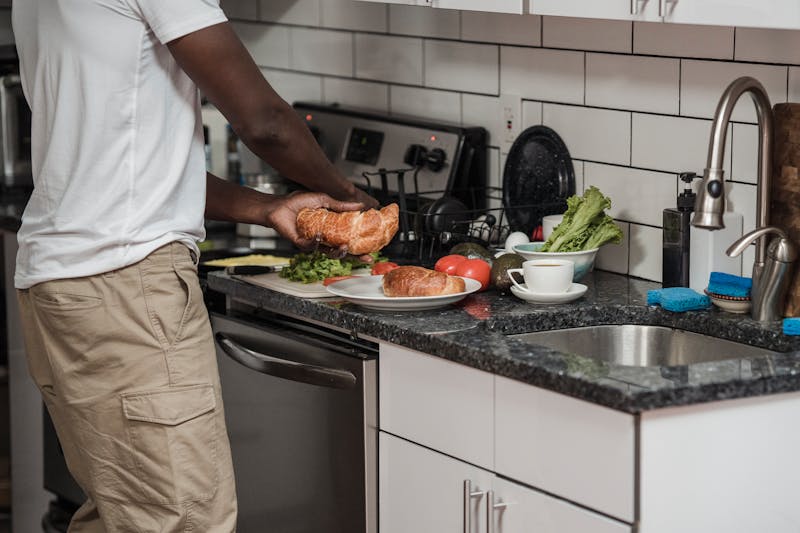
The biggest money-saver is not which supermarket you use. It is whether you plan meals before you shop. Students who meal plan spend an average of 30% less on food than those who buy on impulse.
- Plan 5 dinners per week (leave 2 nights for leftovers, eating out, or freezer meals).
- Write a list and stick to it. Impulse buys in supermarkets add £5-10 per trip.
- Batch cook on Sundays. A large pot of chilli, curry, or pasta sauce costs £5-8 and feeds you for 4-5 meals.
- Buy frozen vegetables instead of fresh for anything you cook rather than eat raw. They are cheaper, last longer, and nutritionally equivalent.
Check our cheap meal planning guide and best budget recipes for specific meal ideas under £1.50 per portion.
Frequently Asked Questions
What is the cheapest supermarket for students in the UK?
Aldi is consistently the cheapest supermarket in the UK, costing around 171 pounds for a basket of 95 everyday items in March 2026 according to Which? price tracking. Lidl is a close second at around 172 pounds for the same basket. Both are significantly cheaper than the Big Four supermarkets (Tesco, Asda, Sainsbury’s, and Morrisons), with savings of 20 to 40 pounds on a typical weekly shop. However, Aldi and Lidl have limited online delivery options and smaller store footprints, which can be inconvenient if you do not live near one. For students who need home delivery or rely on campus convenience stores, Asda is the cheapest of the Big Four with delivery slots from 2 pounds. Co-op is worth considering if you register for their student membership through the app, which gives you a permanent 10% discount on all products. This effectively makes Co-op competitive with Aldi and Lidl on many items, particularly their own-brand range.
How much should a student spend on groceries per week?
Most UK students spend between 25 and 40 pounds per week on food, according to the National Student Money Survey. Shopping at Aldi or Lidl and planning your meals in advance can bring this down to 20 to 25 pounds per week. The biggest money-saving habit is doing one large weekly shop at a budget supermarket rather than buying items daily from campus convenience stores or express shops, which mark up prices by 10 to 30 percent compared to full-size stores. Batch cooking on Sundays saves both money and time during busy lecture weeks. Dishes like chilli, curry, pasta bake, and soup can be made in large quantities and frozen in portions. If you share a house, coordinating a weekly shop with housemates lets you split the cost of staples like rice, pasta, oil, bread, and milk. Setting a strict weekly food budget and withdrawing it as cash can also help you stick to your limit, as physical money is psychologically harder to spend than contactless payments.
Do any supermarkets offer student discounts?
Co-op offers a permanent 10% student discount on all products when you register as a student member through the Co-op app. You verify your student status via UNiDAYS, and the discount applies automatically when you scan your membership card at checkout. No other major UK supermarket offers a direct student discount on all products. However, every major chain runs a loyalty scheme that saves money regardless of student status. Tesco Clubcard gives you member prices on hundreds of items each week, typically saving 10 to 20 percent on those products. Sainsbury’s Nectar card accumulates points worth roughly 0.5 percent of your spending, plus periodic bonus point offers. Lidl Plus offers app-exclusive coupons and weekly scratch card rewards. Aldi does not have a loyalty scheme because their standard prices are already positioned as the lowest. For students near a Co-op, the 10% discount on everything is the single best supermarket savings tool available. For students near an Aldi or Lidl, the permanently low base prices make loyalty cards unnecessary.
Is it cheaper to shop online or in store?
In-store shopping at Aldi or Lidl is the cheapest option in absolute terms, because you pay no delivery fee and their prices are the lowest. Online delivery adds 2 to 7 pounds per order depending on the supermarket, time slot, and minimum order value. Tesco charges from 2.49 pounds for off-peak slots, while Asda delivery starts at 2 pounds with a minimum spend of 40 pounds. Sainsbury’s charges from 3.50 pounds. However, online shopping can actually save you money indirectly by removing impulse purchases. Studies consistently show that shoppers spend 20 to 40 percent more in-store than they planned because of end-of-aisle displays, checkout snacks, and special offers on items they did not intend to buy. With online shopping, you can see your running total and remove items before checkout. If you do not have transport to reach a budget supermarket, splitting a Tesco or Asda online order with housemates is the most practical approach. A 100 pound shared order with a 3 pound delivery fee split four ways adds less than 1 pound per person to your weekly shop.
Should I buy branded or own-brand products?
Own-brand products are almost always the better choice for students on a budget. Supermarket own-brand items are typically 30 to 50 percent cheaper than branded equivalents, and for everyday staples like pasta, rice, tinned tomatoes, bread, milk, and frozen vegetables, there is virtually no quality difference. Most own-brand products are manufactured in the same factories as their branded counterparts, just with different packaging. The three tiers of own-brand products (value, standard, and premium) cover different price points. Value ranges like Tesco Everyday Value and Asda Smart Price are the cheapest, though quality varies. Standard own-brand lines offer the best balance of price and quality for most items. Premium ranges like Tesco Finest and Sainsbury’s Taste the Difference are more expensive but still cheaper than equivalent branded products. Save branded purchases for items where you genuinely notice and prefer the taste difference, such as specific cereals, condiments, or snacks. For cooking ingredients, cleaning products, and basic toiletries, there is rarely any reason to pay extra for a brand name.
