
Student City Guide: London
By Alex Sheridan · Updated 27 September 2026

London is the most expensive UK city to be a student in, and also the one your Maintenance Loan is calibrated for. Work that second fact the right way and the first stops feeling like a trap. This guide covers what you will actually spend, how to live on it, and what to do with the city once rent is sorted.
After freshers' week
The At Uni pack is mostly about making the January loan payment last until April, and what to do if it doesn't.
Leave the box empty and you'll just get the PDF. Unsubscribe any time.
The money: what London actually costs a student
Student finance treats London as its own thing. For 2026/27, the Maintenance Loan for a full-time undergraduate from England living away from home in London is up to £14,135, against £10,830 elsewhere. Live at home with your parents and it's up to £9,118. Your exact award depends on household income (Student Finance England rates on gov.uk, checked 27 September 2026). Last year's figures, if you're checking an older award letter, were £13,762, £10,544 and £8,877.
If you are studying in the north, see our guide to student life in Manchester, covering rent, transport, nightlife, and free things to do.
The gap between the London rate and the outside-London rate is roughly £3,300 a year, and it's there to cover the higher rent and transport. If you borrow the full London rate and then split a reasonable house share in a zone 2 or 3 pocket, the maths works. If you insist on zone 1 in a studio you are in trouble before term starts.
A realistic weekly budget
| Category | Frugal | Comfortable |
|---|---|---|
| Rent (share of a house or halls) | £160 | £230 |
| Bills (if not included in rent) | £15 | £30 |
| Food shop | £35 | £55 |
| Transport | £20 | £30 |
| Going out and eating out | £25 | £60 |
| Phone, streaming, gym | £15 | £25 |
| Clothes, toiletries, everything else | £15 | £30 |
| Total per week | £285 | £460 |
Multiply by about 39 for the teaching year and the frugal column comes to about £11,100, which fits inside the full London loan. A 12-month private tenancy adds the summer rent on top, so that margin goes quickly. The comfortable column assumes a part-time job or family top-up. Neither includes tuition, which Student Finance pays directly to the university.
Accommodation: where to actually live
First-year rule: take university halls unless you have a specific reason not to. They are a single direct debit that covers rent, bills, usually Wi-Fi and often a catered option, and you are pooled with your cohort. You will not find a cheaper social landing in London than that.
From second year onwards, private shares open up and the geography starts to matter. The rough rings:
- North and north-east: Walthamstow, Leyton, Tottenham and Finsbury Park give you decent Victoria line and Overground links at significantly lower rents than anywhere in zone 2 north-west.
- East: Mile End, Bow, Bethnal Green and Stepney Green are the QMUL and UCL-adjacent triangle. Rents are moderate, nightlife is strong, the Central and District lines do the work.
- South-east: New Cross, Deptford and Peckham suit Goldsmiths, King's and LSE students who want cheaper rent and a more independent scene. Overground and Southeastern rail carry most of the load.
- South-west: Tooting, Clapham Junction and Earlsfield work for Imperial, King's and Royal Holloway commutes, and rent drops the further south you go along the Northern line.
Avoid signing anything in September for a full twelve months starting the following July. That is the landlord's preferred calendar and it costs you two extra months of summer rent you probably will not use. Aim for a July-to-June or August-to-July tenancy instead.
Transport: make London cheap to cross
Two cards do nearly all the heavy lifting.
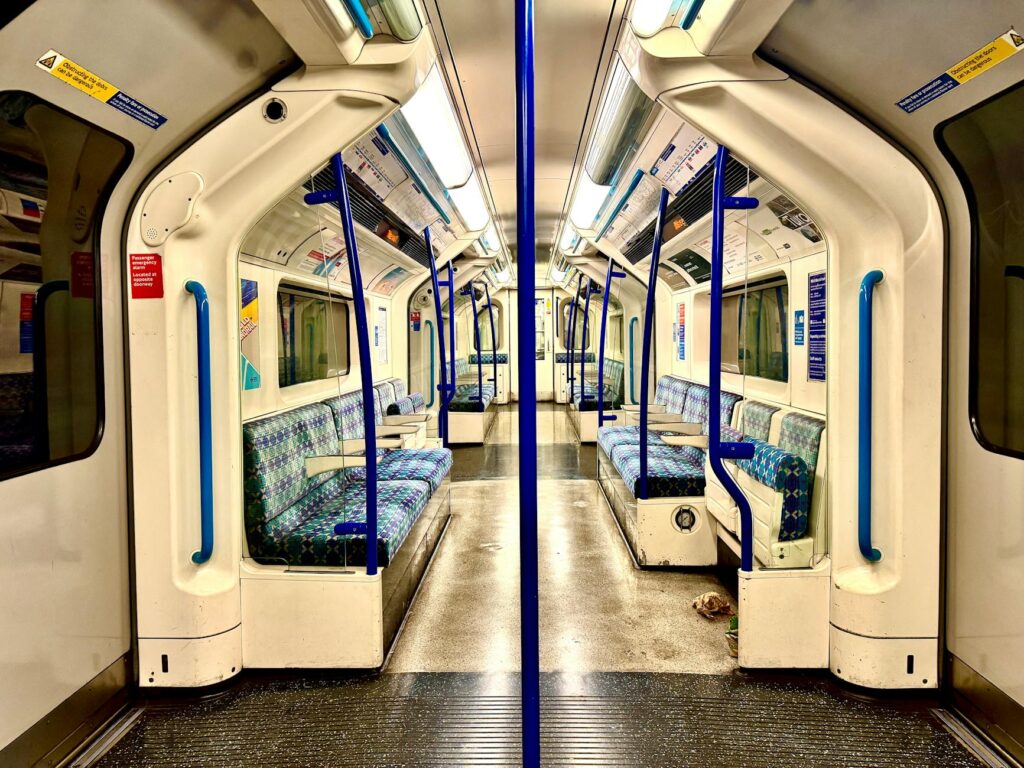
The 18+ Student Oyster photocard gives 30 per cent off adult-rate Travelcards and Bus and Tram Passes. If you commute across zones regularly, a monthly or termly Travelcard loaded onto it is usually cheaper than daily pay as you go.
The 16-25 Railcard costs £35 for the year and saves a third on most rail fares across Great Britain. You can link it to your Oyster card so that off-peak Tube and rail fares in London are automatically discounted. The Railcard website states cardholders save on average £212 per year.
Two cheaper hacks most students miss. First, the Hopper fare: unlimited bus and tram journeys within one hour of first touching in cost a single £1.75 on pay as you go. Cross half the city for one fare if you plan it. Second, walk zone 1. The distances on the Tube map are misleading. Leicester Square to Covent Garden is three minutes on foot.
Food shopping and eating out without bleeding money
Aldi, Lidl and the Sainsbury's Local at the end of your road are not interchangeable. Aldi and Lidl stores in outer zones price like the rest of the country. Sainsbury's Local, Tesco Express and M&S Simply Food in central zones carry a convenience premium of roughly 10 to 20 per cent on the same product. If you live near a proper supermarket, do one big shop a week there and only use the local for top-ups.
For fresh produce, go to a street market: Ridley Road in Dalston, Walthamstow High Street, Brixton Market, or Electric Avenue. You can fill a bag with vegetables for a fiver in a way no supermarket will match.
Eating out, the cheapest good meals are in the neighbourhoods known for them: South Indian dosas in Tooting, Vietnamese on Kingsland Road, Turkish ocakbasi on Green Lanes, Chinese roast meats in Bayswater. None of these will break a £20 budget for two, and most reward a small group.

Nightlife and going out
London's student nightlife is less about the famous clubs and more about the university-adjacent pubs, cheap pre-drinks culture and the smaller venues. A few realities.
Central clubs charge London prices for drinks. A pint in a zone 1 chain pub is £6-plus, a cocktail £12-plus. The same pint in Wetherspoons, in most non-central pubs, or on a student union night is £3.50 to £4.50. Union nights at UCL, King's, Goldsmiths, QMUL, LSE and SOAS are often open to students from other universities in term time if you bring a valid student ID, and they're the sharpest-priced nights out in town.
If live music is your thing, the sub-£15 small venue is alive and well: the Shacklewell Arms, the Windmill in Brixton, MOTH Club, Corsica Studios, Core for a proper night. Book on Dice, DesignMyNight or the venue's own site and avoid third-party ticket resellers.
Free things to do that do not feel like consolation prizes
London's museums are free and nearly all of them are top-tier. Your default circuit after rent is covered:
- British Museum (Bloomsbury): free, open every day, easy to do in an hour or a full day.
- Tate Modern and Tate Britain: free for the permanent collections, paid only for big ticketed shows.
- V&A and Natural History Museum: both free, South Kensington, do them back-to-back.
- National Gallery and National Portrait Gallery: Trafalgar Square, free, open late on Fridays.
- Imperial War Museum: free, Elephant and Castle, underrated.
- Sir John Soane's Museum: free, tiny, one of the strangest buildings in the city.
Parks are the other big free asset. Hampstead Heath with its lido ponds, Victoria Park in the east, Brockwell Park in the south, Primrose Hill for a cliched but earned view of the skyline, and Richmond if you want deer and space.
Student discounts that actually land
Three that pay for themselves inside a term.
UNiDAYS and Student Beans sit on top of most major retailers and cover the clothing brands students actually buy. The discount is usually 10 to 20 per cent and stacks with sale prices about half the time.
Amazon Prime Student is free for the first six months and half price thereafter, and gives you free next-day delivery and Prime Video. If you rely on Amazon for textbooks and random kit, it pays for itself once.
NUS Totum is worth having only for the specific retailers that still favour it, chiefly Co-op and some high street chains. Do not pay top tier for it before checking the actual card covers what you spend on.
Safety, banking and the boring admin
Open a student bank account before term starts, not after. The top accounts every year tend to offer an interest-free overdraft scaling with year of study, a railcard or similar perk and occasional cash. Compare the full overdraft limit rather than the first-year headline: an account that offers £500 in year one but only £1,000 by year three is worse than one that gives £2,000 in year two.
Register with a local GP in your first week. London NHS registration is backed up and leaving it until you actually get ill is a week of stress and wasted lectures.
Keep one card in a different pocket from your phone. Contactless fraud on the Tube is rare, but losing your phone and wallet simultaneously in the same bag is how most students have their worst week of term.
Frequently asked questions
How much Maintenance Loan do London students get?
For 2026/27 a full-time undergraduate from England living away from home in London can get up to £14,135 (it was £13,762 in 2025/26). Figures are from gov.uk and your exact amount depends on household income.
Do London students get discounted travel?
Yes. An 18+ Student Oyster photocard gives 30 per cent off adult-rate Travelcards and Bus and Tram Passes. A 16-25 Railcard costs £35 per year and saves a third on rail fares across Great Britain. You can link it to your Oyster card for automatic off-peak Tube discounts.
Is London affordable for students?
London is the most expensive UK city to study in. The higher London-rate Maintenance Loan is designed to absorb that. A frugal budget outside rent usually lands around £150 to £200 a week including transport, food and modest nights out.
What is the cheapest way for a student to travel around London?
Buses. The TfL Hopper fare gives you unlimited bus and tram journeys within one hour for £1.75 on pay as you go. Walking between central zones is often faster than the Tube too, particularly in zone 1.
Where should I live as a student in London?
First years almost always take university halls because they are single-rent-cheque simple and put you in a cohort. After that the cheaper pockets near most universities are Walthamstow, Leyton, New Cross, Elephant and Castle, Mile End, Tooting and the student triangle of Bethnal Green to Bow.
Jamie writes to people already at uni
When your loan comes in, and what's due before it does. House deposits are the usual one.
You'll also get the At Uni pack as a PDF. Unsubscribe any time.

Ask Alex a question
If this guide didn't cover the thing you came for, ask. If enough people ask the same thing, it becomes a guide.
Read us often? You can add UniSorted as a preferred source on Google.